*The* 250 Rock and Roll and Folk Albums of the 21st Century So Far. Part One: 2000-2005
The story of rock and roll and folk music of the 21st Century (“so far”… which the reader will hopefully add themselves from here on) is one of overdetermination, though not in any negative sense. Despite the “over-” implying otherwise. It’s just that there was a lot of history happening to a lot of people, much of which had been set into motion before they was even born. And that’s before we even consider garage rock, or an internet which ruled out any genre involving guitars ever again getting the free pass that grunge got (insofar of getting its own dumb/cool name instead of having “new,” “post-,” or “revival” attached somewhere).
If anything, 2000-2025 rock and folk is a case of countless origin stories in search of a supervillain. And, no, I don’t really care if I’m using “overdetermination” correctly. If you wanted pedantry, you shouldn’t have let Joy Division be the main point of comparison for a million bands who sounded like a couple songs off of Unknown Pleasures at most and not a single one that ripped off Closer. The main thing is that there was a lot of spaghetti being thrown at the wall, and I’m not inclined to attach a moral judgement to any of the art that came out of it. If the reader is hyper eager for a return of 2016-2020 critique, the reader is encouraged to start their own “not shutting the fuck up” revival.
The following list of The 250 Rock and Roll and Folk Albums: 2000-2025, is intended as a celebration, of both its content and of the fun of listmaking, and as a penknife to be used to repeatedly, if impotently, stab at both canon and received wisdom. That this list is also empirically correct was a happy coincidence.
Is this list the "best" or "top" 250 rock & folk albums of the last twenty-five years? Is it an overview? The answer to both these questions is in the title. See where the italics are placed? There you go.
I applied a rigorous standard of what warranted inclusion—which I will not share, as its airtight logic would deprive the reader of the chief pleasure of list reading (i.e. getting mad at what is or isn’t included), which I then ran through the filter of: “is this fun to write about?” I do consider it a personal tragedy that I chose to write this right when “just vibes” became mainly used as an insult, rather than the wild and free metric it once was. The only metric you need to know is that this was very much intended as a “Rock and Roll” list—with the term used expansively. And as a folk list insofar as “everything is folk music” is true. Further, my focus is biased in favor of tradition—be it maintained or subverted—over innovation or “the new.” Basically, my calculations were based on the premise that there are infinite timelines and, for an artist to be considered for this list, I had to be able to imagine at least a 100,000 timelines where said artist might have played the Newport Folk Festival.
The only other explanations/caveats I will cop to are that no artist was excluded on account of politics; if I thought Radiohead had done anything worth a damn after OK Computer, I’d say so. The fact that their IDF dating asses are excluded is only that much sweeter for it being based on my calculations having amazing taste. Fascists and fence-sitters alike will be happy to know that I included artists of equal spiritual ineptitude, just so long as their misbegotten souls still somehow managed to sweat out some silver.
I did not include LCD Soundsystem, because LCD Soundsystem’s music is essentially this list, with their first single of note being an enumeration of everything that came before. Including them would have been gilding the lily from both ends.
I did not include Les Savy Fav because, long ago, French Kiss Records signed Call Me Lightning instead of my band. As that wasn’t personal, neither is this.
Final three caveats: first, the first few years are heavy on NYC acts. I don’t feel unfairly so, but I get that others might reasonably feel otherwise. Rest assured the field opens up considerably by 2006. If it makes you feel any better, it caused me great heartache to omit Speedball Baby, Ghostface Killah, and The Gunga Din from the 2000 selections.
Second, I made an effort to not include any artists twice. So, if you notice some omissions in a particular year—such as, say, Fever To Tell or Dig, Lazarus, Dig!!!—it might mean that I just don't care about said album. But there's also a possibility that the artist in question is discussed later.
Third, I’ve been an around-the-way type for thirty years. I’m friends, or friendly, with some acts on this list. Just know that, while I’m a grotesque scene striver, I’m a discerning one. I don’t foist myself on junk. If I’m friends with (or married) a great artist, it’s because I saw them on stage and thought “I want to go to that,” and made it happen. You should take my personal relationships with some on this list as proof that I’m willing to put my good-taste money where my good-taste mouth is.
For verisimilitude, I did include some artists-of-merit that I personally can’t stand as well.
With that, the 21st Century won’t wait forever. Let’s get to it, boppers.
Part One: 2000-2005
Welcome to the 21st Century
(AKA the 20th Century Revival)
JANUARY
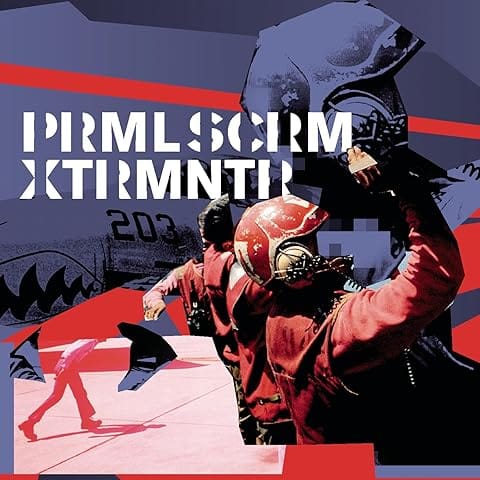
Primal Scream - XTRMNTR (Creation / Astralworks) And so, as a forward thinking ‘60s revival act going full on modernist with the sounds of just five years prior, and icing the cake by applying Godwin’s Law like mascara, Bobbie G. and his Primal Scream kick off the 21st Century.
February
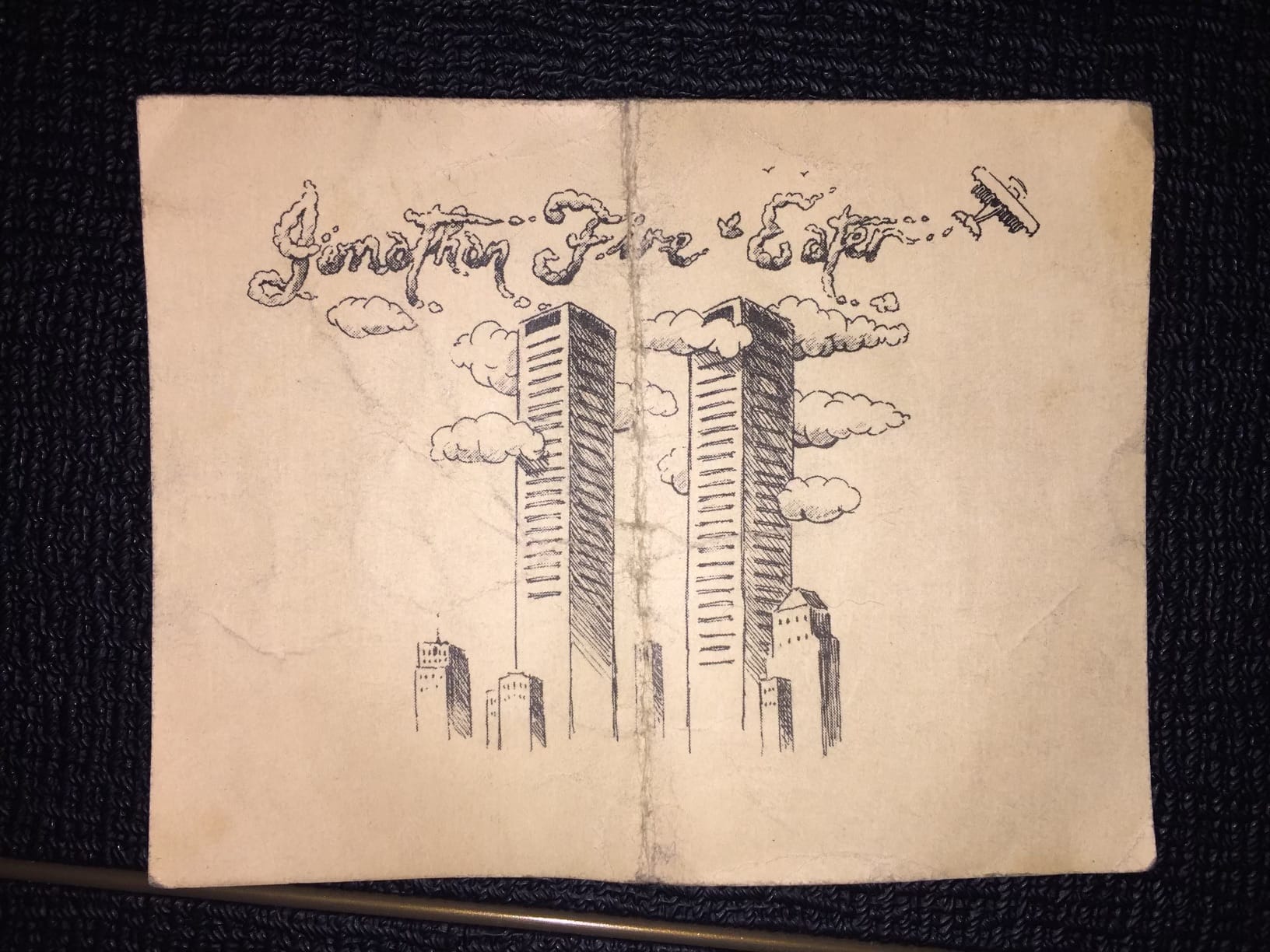
Steely Dan - Two Against Nature (Giant) Twenty years after Gaucho, just in time to celebrate the thirty-ninth birthday of the subject of “Hey Nineteen” (or possibly the twentieth of said subject’s daughter), Walter Becker and Donald Fagen return, small army of session cats in tow, in order to let the kids know about major label sleaze (it’s never a revival if it never leaves). While there’s nothing here as vicious sounding as the mid-’70s Dan, attention must be paid to these old dogs for being way ahead of the game in terms of both their usage of “gaslighting” and their updating “Hey Nineteen” so that it’s applicable to a fetishized goth girl (who I bet was an old-soul twenty-eight). Even setting aside the two shadowy figures pantomiming as the Twin Towers on the album’s cover art, it’s almost as if Becker & Fagen knew things about human frailty that others didn’t, and they knew how to honey-drip it so even the most problematic poison would go down smooth as cotton candy from a high-heeled sneaker.
March
Ute Lemper - Punishing Kiss (Decca) Apropos of nothing, the century kicks off with a little light entertainment, much of it either inspired by music from, or directly drawn from, the Weimar Republic. A bracing lark to be sure, performed by Lemper (along with the Divine Comedy) with elegance and pep to burn, but don’t worry; even if the decedent arts of seventy years prior feel utterly contemporary, that doesn’t mean that there’s anything but blue skies ahead.
May
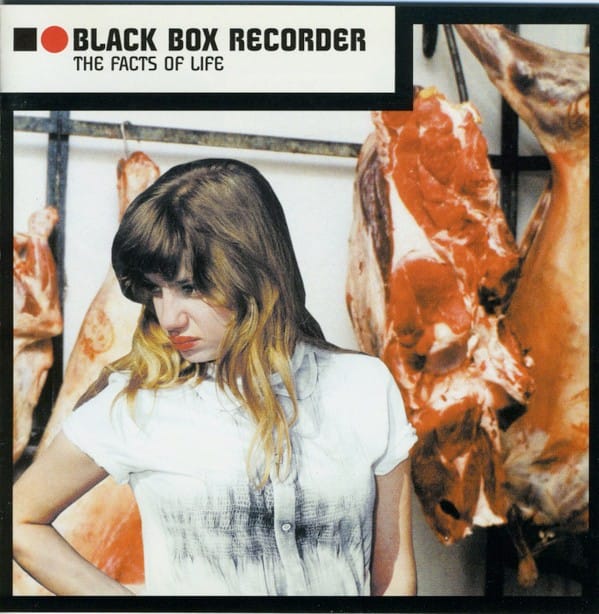
Black Box Recorder - Facts of Life (Nude) One of the stronger recent arguments against the decades long line of bullshit—that claims that the kids want garbage and that’s why major labels, radio, and the media give it to them in spades—is the rediscovery of Black Box Recorder, the Decline of Britpop trio (made up of John Moore, Sarah Nixey, and the Auteurs’ Luke Haines) by Billie Eilish fans. Eilish, a megastar who makes dark and blurry snippets of tasteful burner pop which shares DNA with dub as much as it does with Weeknd (and whose debut would be on this list if I wasn’t middle aged and/or I thought anyone would believe me), shouted out Black Box Recorder’s ideation anthem “Child Psychology” a couple years ago, and now that track has almost 70,000,000 plays on Spotify. The kids, being alright, don’t all want to be lied to. A lot of them want the cast of Flowers in the Attic intoning “life is unfair / kill yourself or get over it.” This album, coming a few years after Black Box’s debut, ain’t that. But it’s arguably a better—less affected and with more fully realized digressions through the weirdo-class psyche of depressive England—album all around. The kids will undoubtedly love it. Ya Ya and gruesome echobox reggae revival incoming.
PS. John Moore’s album from 1989 is mondo entertaining.
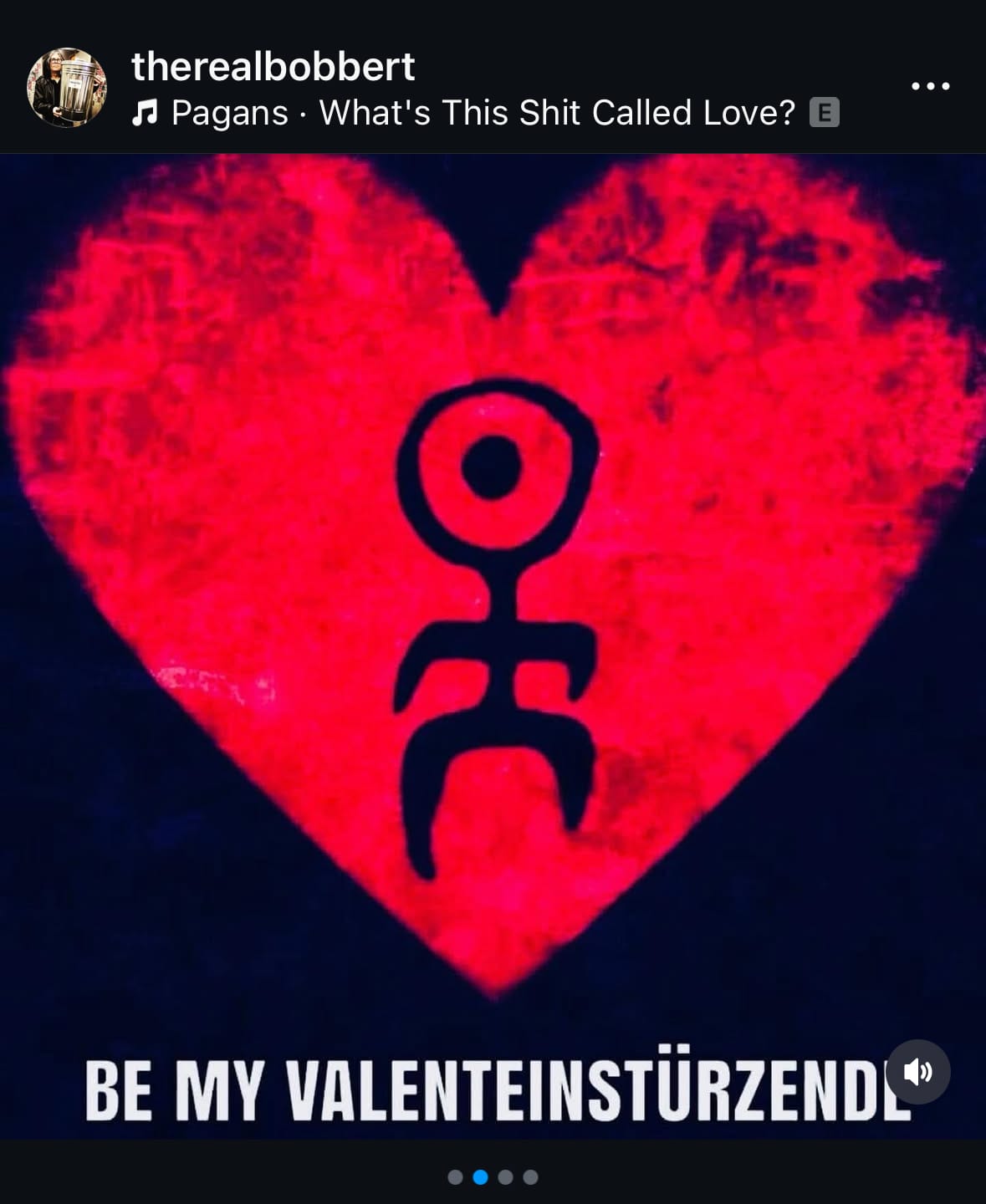
Einstürzende Neubauten - Silence Is Sexy (Mute) So smoking-in-bed bittersweet, mini-skirted-edly sophisticated, and strangely—if patiently—jaunty, it’s practically a yé-yé album. I mean, not “practically,” but you know what I’m saying; new wave. In the cinematic sense.
June
Queens of the Stone Age - Rated R (Interscope) While Kyuss’s Blues for the Red Sun was a universally accepted vibration and the first QOTSA album buried the vocals low enough in the mix to appeal to any and all effete and impudent record-store workers, “Feel Good Hit Of The Summer” would sadly be the last time that the specific concerns of the Homme-sian sand people (those both native to the Palm Desert and its folded cap-brim diaspora) would so perfectly coincide with the proclivities of the urban hipster. This unity of vision would prove to be an all-too-brief blip in the sky, which was immediately followed by a schism that pains me to this day—with Queens of the Stone Age taking a path of sleeveless least resistance, eventually tying with Alice In Chains for being the most egregiously ripped off band in alternative metal, and Josh Homme himself settling into the role of being the James Murphy of those who prefer meth to cocaine.
Still, in that brief moment—before Eagles of Death Metal oversold the punchline—the world was beautiful and smelled like dew (with just a touch of baby laxative).
Blonde Redhead - Melody of Certain Damaged Lemons (Touch & Go) With all the coke sex and war death on the horizon, it’d be the last straight-up lovely indie rock album for a while. It’d be the last straight-up lovely indie rock album, which also didn’t feel like an insular retreat from the world, for even longer than that.
Compulsive Gamblers - Crystal Gazing Luck Amazing (Sympathy For The Record Industry) The garage rock revival would quickly become a death race towards determining the most efficient way to use music with some tangential relationship to the sound of the Oblivians to sell iPods. Started with the best intentions tho. Not good intentions, in the “live a virtuous life” sense but, here at least, the best.
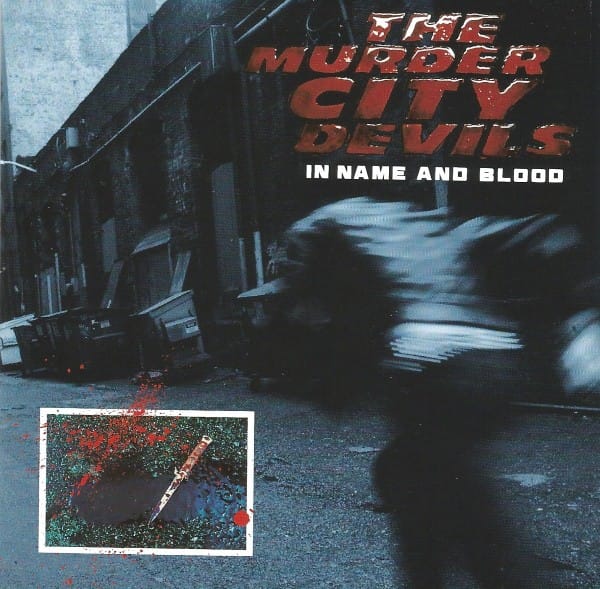
Murder City Devils - In Name and Blood (Sub Pop) The Murder City Devils hailed from a Pacific Northwest where all the magical youth were assigned at birth to one of four houses (Cowboy, Junkie, Merch Girl, or Keys), where the strippers danced to Dead Moon records, and where Nirvana, or at least Nevermind, might as well have never happened. The church-organ garage revival act was fronted by a dogeared copy of Ask The Dust who’d been brought to life by a magical woodland fairy (or at least a magical being with a healthy sense of camp) and backed by four pages of tattoo flash book who only came to life when a virgin (or the Portland/Olympia equivalent thereof) said Johnny Thunders name three times in front of a coke mirror. At this juncture, more drunks have sung along to these songs in American bars than by any other artist not named Waylon or Shania. The tragedy of Murder City Devils—besides Viagra Boys later getting rich off of portraying MCD’s devotional gospel as schtick—is that if the Devils were ever remotely kidding, they never once winked or blinked. While sincerity, in some quarters, was about to get valourized, and theatrical high drama was about to enter a mall-goth heyday, the Murder City Devils being sincerely dramatic about being the Murder City Devils was never gonna cut it with either market. So the market did what it does; it threw the band, black bracelets and all, right into the cultural woodchipper. The poor saps were so intent on dying young from vice that they didn’t even hear VICE magazine sneaking up behind them.
August
Shellac - 1000 Hurts (Touch & Go) The man is dead but the discourse and guitar/bass tone goes on without him, at least for the foreseeable future. A student of redemption near the end of his life, Albini was a theoretician of empathy’s limitations for much of the rest. Accordingly, his Blood On The Tracks gets gone at a lean and mean thirty-seven minutes.
September
Madonna - Music (Maverick) Before poptimism, we just said “if a rock album only has one amazing song, we pretty much dismiss the whole project, but there’s a kind of music so weird and great that if there’s one perfect song and the rest just counts down the CD runtime, the album can still be as classic as anything Jimmy Page had anything to do with.” Well, maybe “we” didn’t say that. Possibly not even “I” said that. But I’m saying it now. The fact that this has “Don’t Tell Me” is enough to Led Zep ll-ify it. The proto-Old-Town-Road of “I Deserve It” kicks it up to Led Zeppelin l territory. Throw the title track on the fire—despite, or because, of lyrics simultaneously so dumb that they suck and so brilliant that they preemptively solve the RATM/Paul Ryan conundrum that’s baffled philosophers for years—and you have the first Zoso of the new century. Plus seven other songs to work out to!
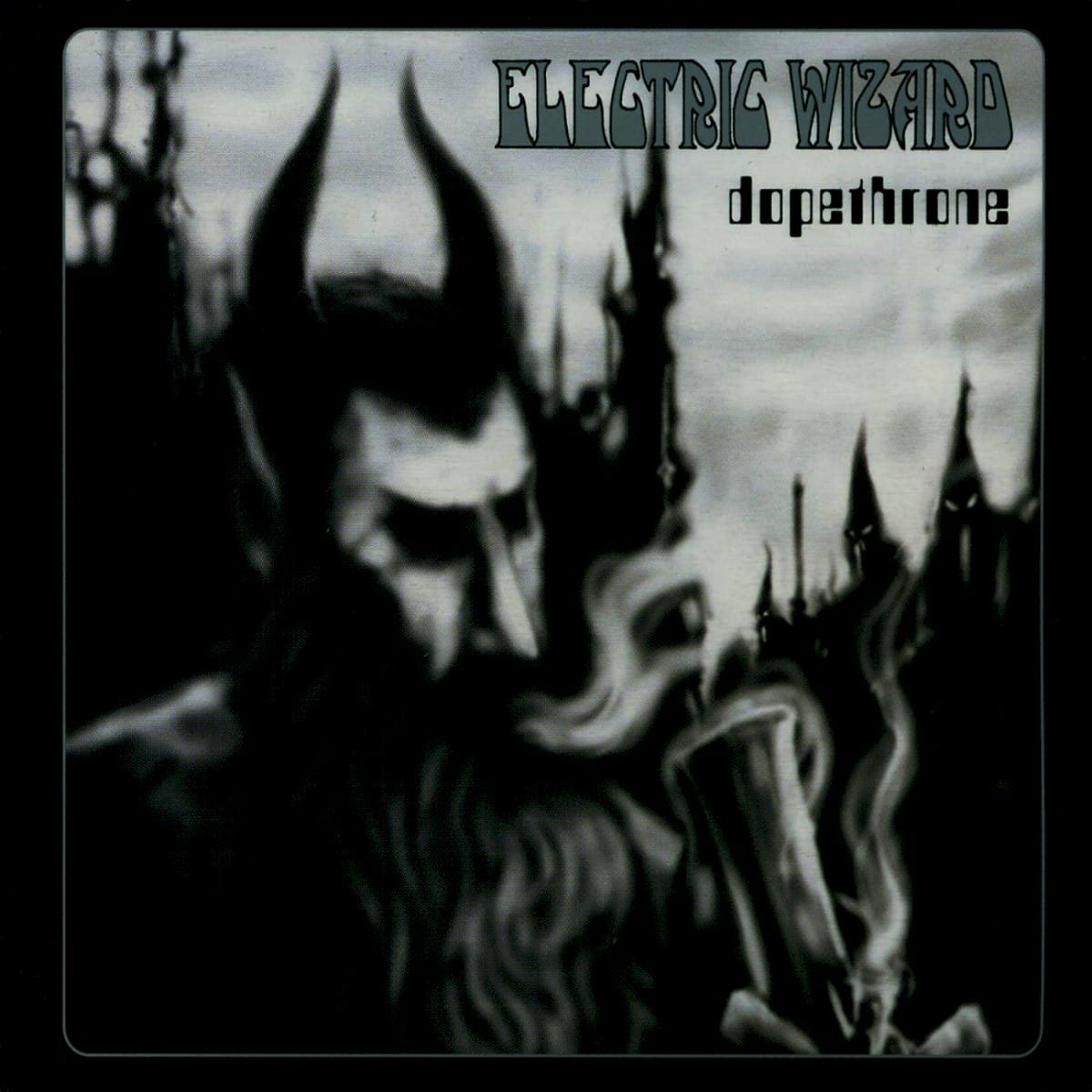
Electric Wizard - Dopethrone (Rise Above) “mom, come quick! Scratch Acid-era David Yow got caught in the vacuum cleaner again!”
October
M.O.P. - Warriorz (Loud Records) Brownsville metalheadz arguably eliminated the need for NYHC on this one, but NYHC is important too so let’s not trouble ourselves with that train of thought. Regardless, this is tied w/ Wu-Tang for recklessness-inducing, get-86’d music most beloved by adult skateboarders.
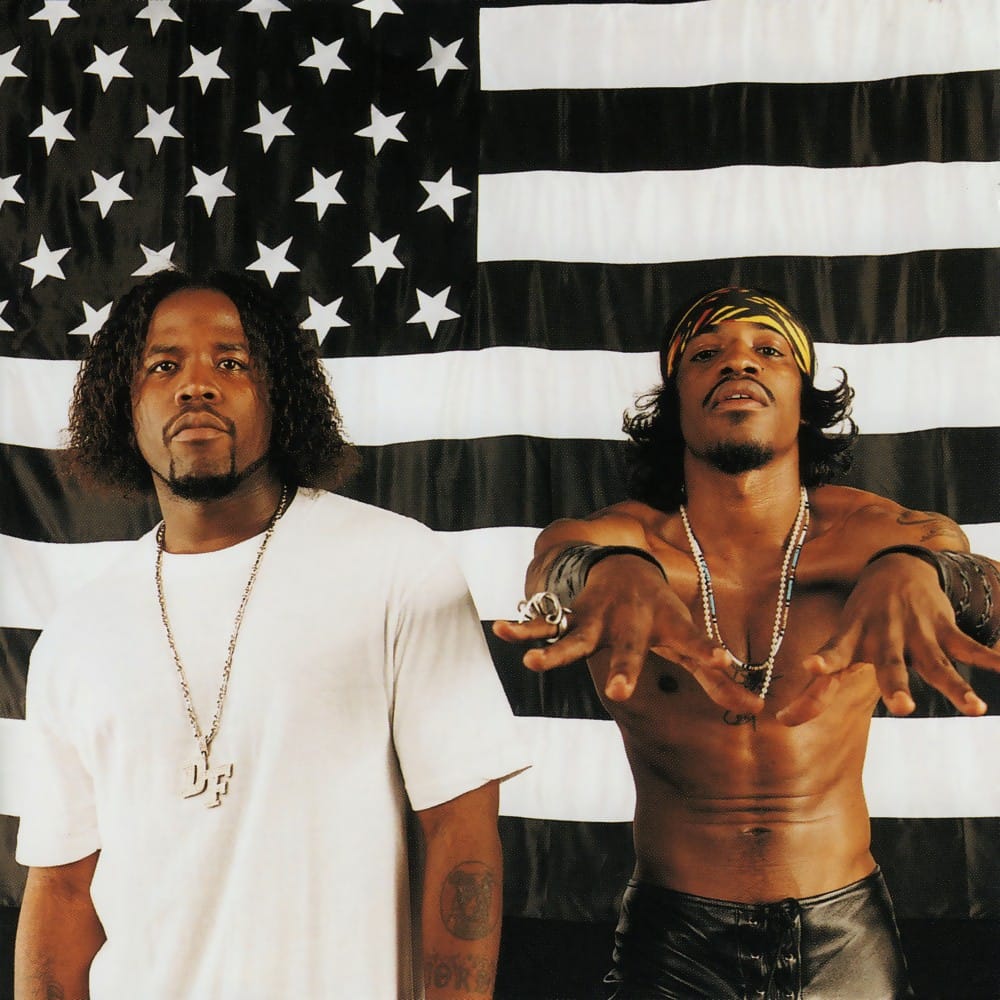
Outkast -Stankonia (LaFace / Arista) The hits are the hits, and it’s neat to have been twenty-five when a couple songs come out that’d end up as much the air we breath as, if not “Let It Be” or “New York, New York,” then at least “Back In Black” or “Angel of the Morning.” The rest of the album is weirder and, to my mind, even better, but also, sorry to admit, why it was hard to be too impressed with a lot of the scraped dayglo subsubsubgenres of pop that’d appear ten-fifteen years later.
things really get cooking
January
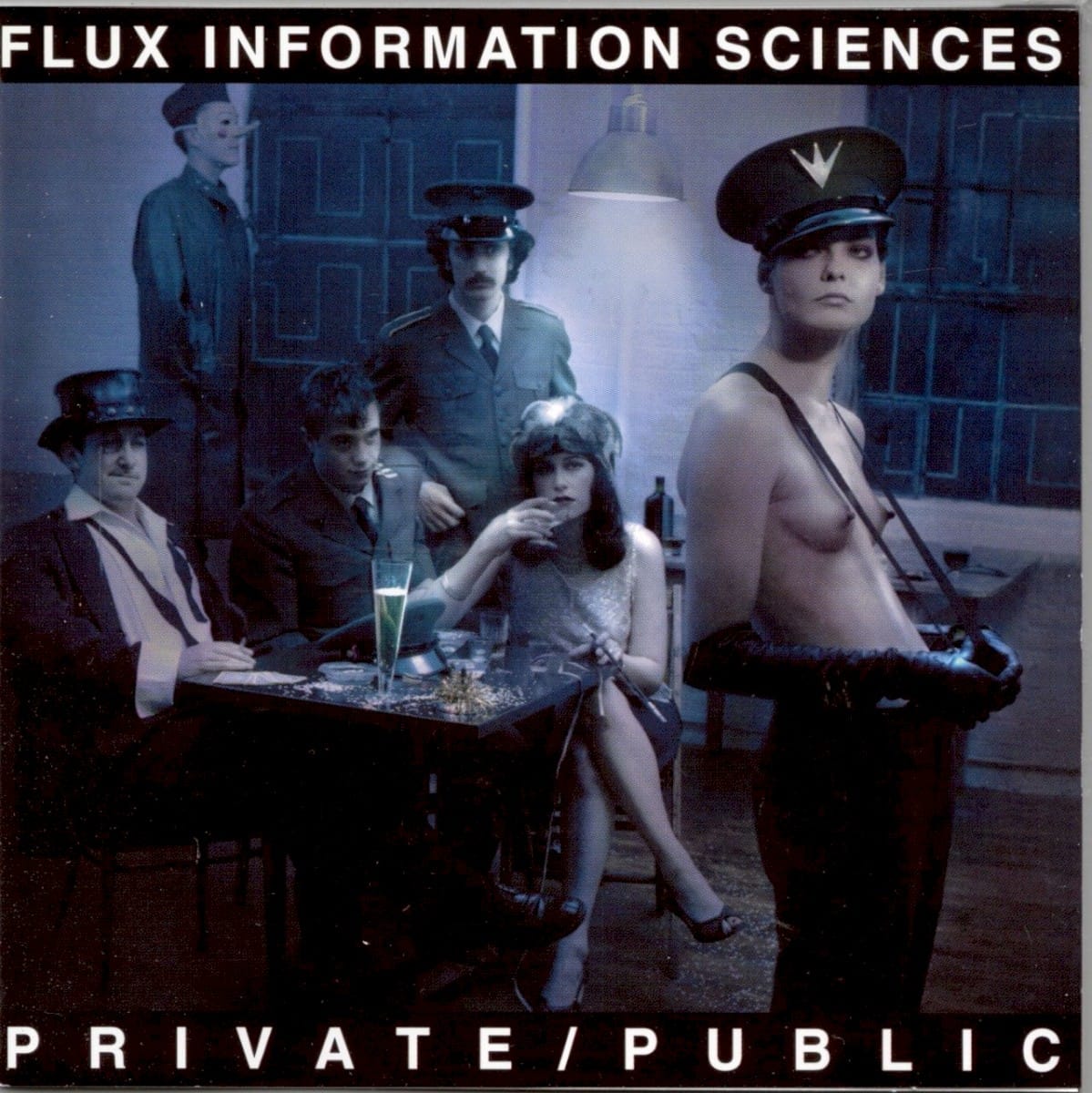
Calla - Scavengers (Young God) Flux Information Sciences - Private/Public (Young God) A week of lipstick tracers out of M. Gira’s label. Starting with a haunted panty dropper by Matador Record’s Handsomest Mailroom Worker, Aurellio Valle, and his fellow Texans; Sean Donovan and Wayne Magruder. Before either QOTSA’s coterie or Tinariwen locked down any meaning of desert blues/rock, Scavengers is as sand-sweeping cinematic and dust-devil erosive as it is almost impossibly patient. In all three aspects, the subject is either Valle’s psyche, death, gals, or possibly just what the aliens slip into the border radio static.
The thing that puts Flux Information Sciences over the top is the fact that there is not a doubt in my mind that Tristan Bechet and Sebastian Brault were 100% convinced that their rollicking test dept. of deconstructed Foetus b-sides and Atari Spyhunter cartridges was as sexy and debauched as Chic playing at a swingers’ convention. And, for certain communities made up of habitues of illegally subdivided loft & warehouse spaces in certain neighborhoods in Brooklyn, they were 100% correct. Bechet would go on to form Services (with future Swan Chris Pravdica) and put out one album, Your Desire Is My Business, which was differently clattering than Flux, just as brilliant, and somehow even more unloved by a world that wouldn’t know sexy if it got sideswiped by it on the L.I.E..
April
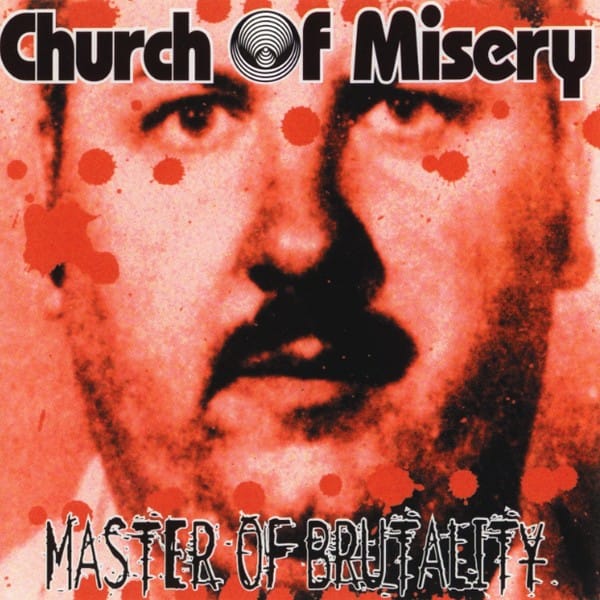
Church of Misery - Master of Brutality (Southern Lord) I hate songs about serial killers. That said, Sleep + “Sisterfucker” + “Supernaught” + serial killers = sumthing as gruesomely fabulous as the first three parts and far, far finer than the tiresome stupidity of its subject matter. This album and the Japanese doom band’s follow up might be the best doom of the Aughts. It’s more-than-maybe the best music devoted to reverse-valorizing the specific brand of losers since “Revolution Blues.”
May
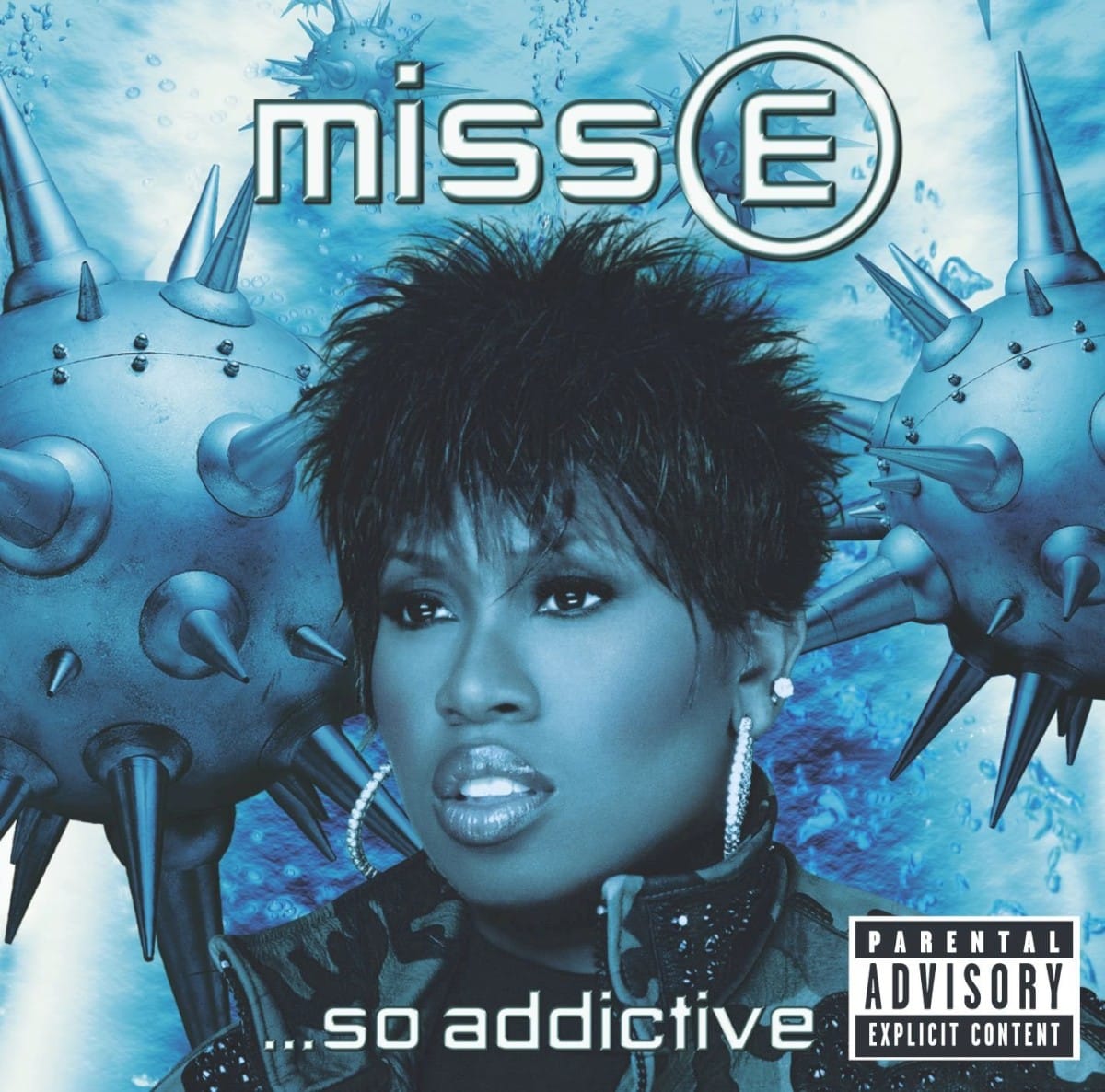
Missy Elliott - Miss E… So Addictive (The Goldmine / Electra) Elliot being one of the rare cases of “iconic” being genuinely applicable aside, Ludacris “rotating all tires” makes So Addictive canonically a hot rod album (never mind that dude’s flow made the Gorillaz largely redundant; I guess the English had to do something this decade) while “Get Ur Freak On” might’ve ushered in a new era in American and South Asian relations had not other circumstances taken place (and, obviously, if Timbaland had otherwise been a bit more generous in his crediting). Also, Miss E... sharing a release date as Cannibal Ox - The Cold Vein (Definitive Jux) marks May 15, 2001 as some sort of high-water mark in the history of accessible American futurism. Of course, this supposition is somewhat countered by the release date also being shared by Weezer's Green Album and Shrek: Music from the Original Motion Picture, but maybe not: what's cream without a fieldfull of crop?
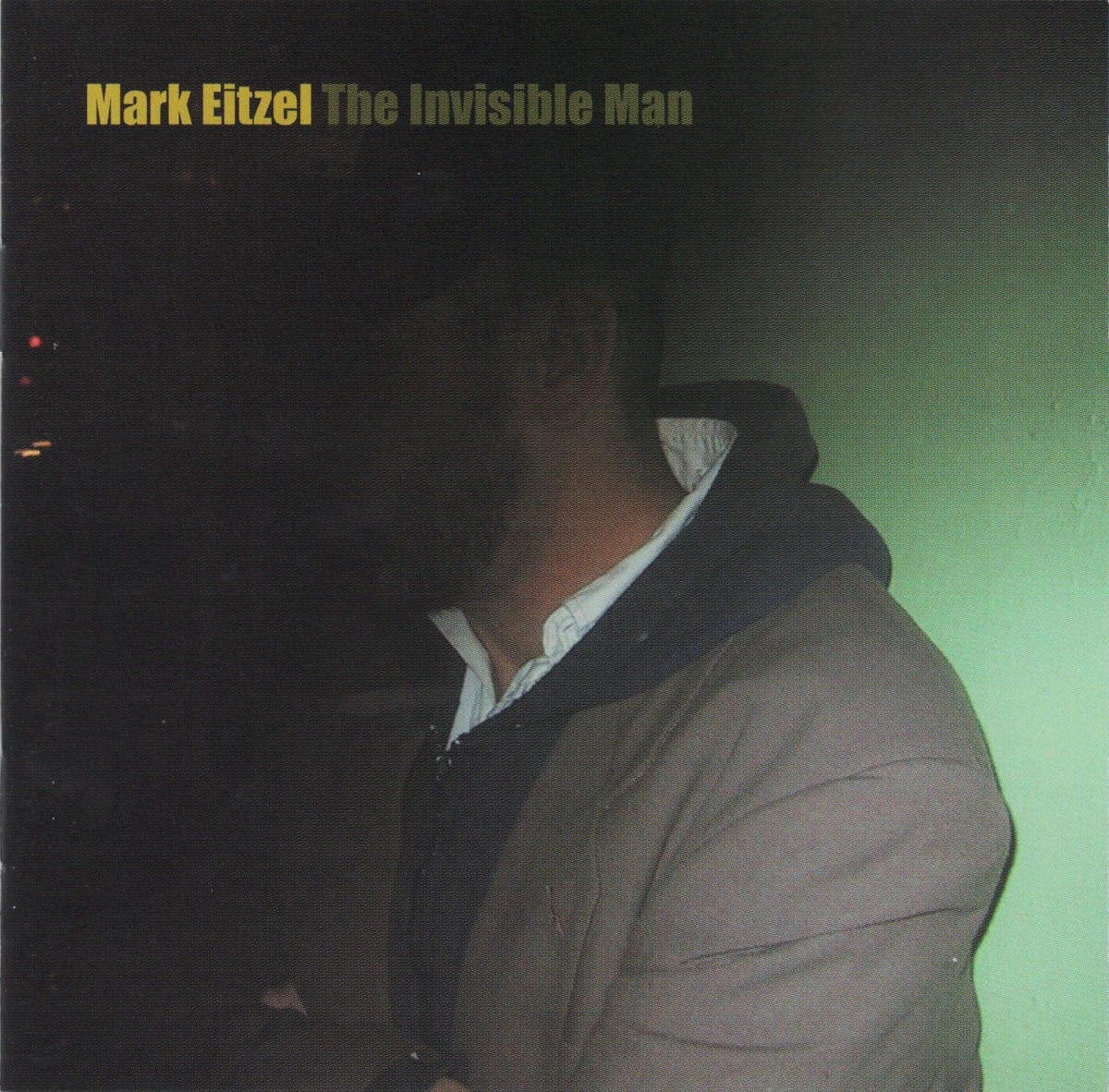
Mark Eitzel - The Invisible Man (Matador Records) Frontman for American Music Club embraces the new technology in his own fashion; with an acoustic guitar, a sampler, and a K-9-shaped Mac g4 as his support animal. The result is either a hi-tek Tapestry or a primitivist Walking Wounded, depending on what timeline you live in. In this one, Mark Eitzel remains as constant as Ozymandias; his once slap-happily vulnerable voice is now delicately the same. An early and original Cameron Winter type (if you can imagine such types drinking) who hasn’t met a disaster that he can’t one-up and who’s not afraid to show feet. Staring both the future and past in the face, Eitzel maybe shakes but doesn’t flinch.
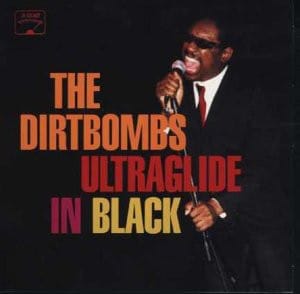
The Dirtbombs - Ultraglide in Black (In The Red) On the second Dirtbombs longplayer, ex-Gories mastermind Mick Collins endeavors to gaslight us into thinking that rock and roll might be a viable language for the new century. In this bit of trickery—as assisted by Ben Blackwell, Jim Diamond, and Tom Potter of Bantam Rooster (the destructo-blooze duo whose smash hit from the previous year, “Shitlist + 1,” was, in its fashion, equally prescient of certain aspects of the upcoming decade)—Collins adds Bauhaus to Curtis Mayfield, adds scuzz to the previously unscuzzable Stevie Wonder, and cool-cool-cools his way through Phil Lynott lines like “If you see the doctor tell him he's king / If you see the doctor tell him he's still king / But this bad black boy won't be blown away by anything” and does so casually you might miss the underlying causticity the first hundred listens (which is ok as it’s a record that invites a hundred listens on the first day of purchase alone). Also, just to show off, Collins adds one of his own originals to the mix and makes it so 96-tearing that you’d think it was, if not Question Mark himself, then a Cannibal & the Headhunters cover.
If it turned out that Mick Collins wasn’t lying; that there’d turn out to be a couple more moves left in the land of 1000 dances and a bit of life left in rock and roll, it was partially because the Dirtbombs made it so. As such, the Dirtbombs would get the reward typical to prophets. In four years, Collins would be the opening act for multiple bands who owed their existence to him.
July
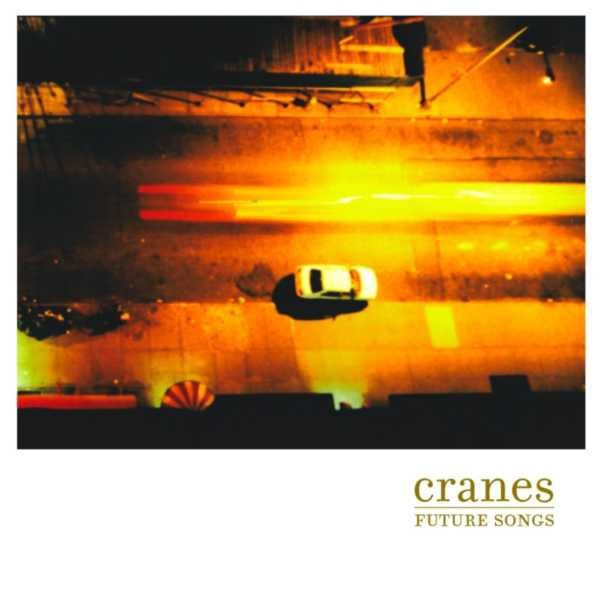
Cranes - Future Sounds (Dadaphonic) As one of the few gothic rock bands largely indifferent to David Bowie, Cranes (siblings Alison & Jim Shaw + whomever) have always been singular. Here, they move further away from their own industrial-goth/chamber-goth/quite-loud-guitar-goth into even more pensive territory. If Frankenstein is goth’s ur-text, Cranes’ focus is the anxieties of Mary Shelly, the electricity that gives the Frankenstein Monster life. The fact that all Cranes’ songs are sung as if coming from the drowned girl in the 1931 movie version might be non-canonical, but that too is in line with the band’s impossible-to-fight nature.
White Stripes - White Blood Cells (Sympathy For The Record Industry) The Von Bondies - Lack of Communication (Sympathy For The Record Industry) Grouping these two brimstone-blues exploders together isn’t a joke about the semi famous fistfight the frontmen of the two bands got into with each other (which stemmed from, allegedly, Jason Stollsteimer accusing Jack White of stolen valour regarding production credits due the Dirtbombs’ Jim Diamond). Rather I’m grouping the two together cos they came out the same time, shared a label, and were for a time on the same side in a different fight—a battle for the soul of rock and pop—which was equally indebted to old ways of living, and arguably even more one-sided and/or pointless. None of that makes the songs on either album any less hellacious.
The Strokes - Is This It (RCA / Rough Trade) Despite all the amputations and/or computations, etc… Still holds up. Maybe less so every year and maybe not. It was a coin flip between this and Dead Moon's Trash & Burn (Tombstone Records... I couldn’t tell you the exact point when Dead Moon’s moon/skull logo, candlelit stage shows, and proto-itself songcraft went from cult favorites to actual religion. All I know is that, between the years 1999 and 2005, when you met someone with black hair, black jeans, a black t-shirt, black vans, black bangles or black string bracelets, and tattoos that looked like they were mimeographed from pre-war animation shorts, the first thing you’d ask about was Dead Moon. If they didn’t know what you were talking about, they were either Avenged Sevenfold or a cop.)

2001!
August
Bjork - Vespertine (One Little In..) A fascinating and beautiful album which unfortunately gave a lot of lesser bjerks permission to make their own pretty and boring versions of it. In a dumb era that was about to get a lot dumber, people shat on Bjork’s ab-fab swan dress and doubled down on her being a perceived waif, even as the hobgoblin herself was choking out LES bartenders for kicking her off the bar iPOD and making chamber music about fucking an upper-tier black metal diletante. As much as I’d like to celebrate a true freak being world famous, I don’t actually see much benefit to it. Great record tho.
Black Cat Music - Hands In The Estuary, Torso In The Lake (Lookout! Records) Overwrought hair-metal deathrock—in much the same way the Bon Scott and Stiv Bators are dead, and that’s very sad—which was part of an attempted Oakland/GSL invasion by Cali boys with beautiful hair and improbable cheekbones. Of that coterie (VUE, Starlite Desperation), Black Cat Music was probably the most disliked, possibly because they were the least inclined to hide the AC/DC/Hanoi/Rocks LPs in their collections. Not having been part of that scene, and loving VUE and Desperation equally (and a lot fwiw), I’m free to admit that this hokey piece of goth-glam is also a terrifically fun album. One better than “better” albums, if you know what I’m saying. If you find yourself blushing while listening to it, you’re doing it exactly right. The singer had “Revenge” tattooed right below the neck. He pulled that bullshit off too.
The Faint - Danse Macabre (Saddle Creek) Akin to the Velvet Underground in that they were the first (of this century) not-super-huge indie rock band that was so overtly sad-fun / sexy-sexy—no matter the Berliniamsburg levels of dissolution they were hawking—that thousands of emaciated and freakish boys were able to date up just by being fans. The Killers would go on to bottle this riz—and had the novel idea to sell it for actual, non Camel, cash—with foreseeably hellish results for everyone. Fun Fact: Zohra left this CD in her car once and it started playing when her sister turned the ignition and Zohra’s little nieces and nephews went wild because they thought it was the music from Spongebob Squarepants.
October
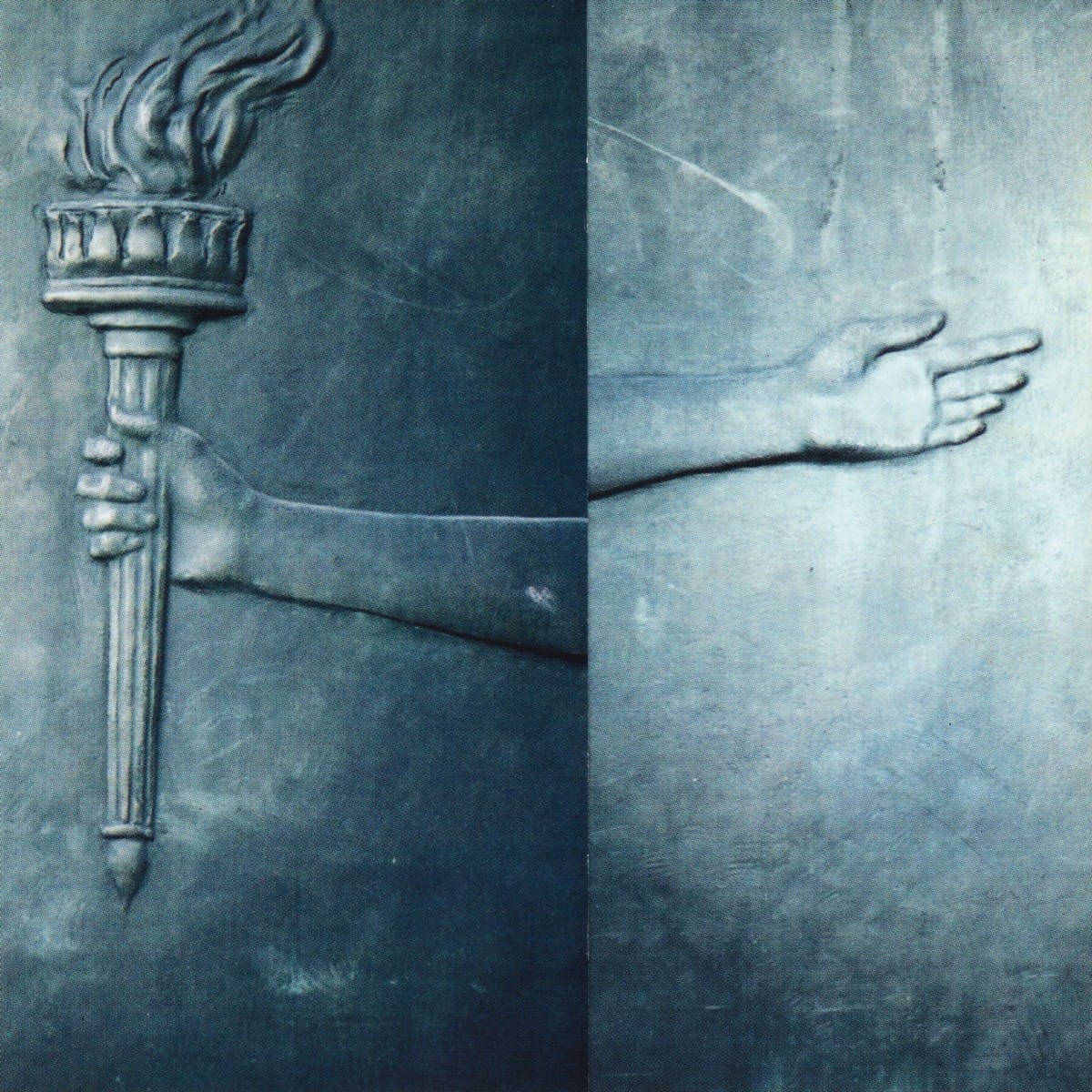
Fugazi - The Argument (Dischord Records) The fun/funny thing about Fugazi doing their damndest to make a contemporary indie/art-rock album is that they simply don’t have the capacity, as a unit, to be boring enough to cut it as anything but what they are: one of the finest post-punk (in the old fashioned “We 💗 Reggae” way) bands going and possibly the only great post-hardcore band ever. With two lead singers who are forever in each other’s business and a rhythm section which, no matter how digressive or delicate a mess the guitars might want to get into, is still going to groove like every song is “Green Onions.” Paradoxical by nature and choice, it’s no surprise that Fugazi put The Argument out, showing everyone that they could not only still do their thing but also that they could do whatever Sonic Youth bullshit everyone else in the indiesphere was doing too, only better. And then, without so much as a “f u, guys, eh” they got gone before the bottom fell out.
Miss Kittin & The Hacker - First Album (International DeeJay Gigolo) The Normal’s “TV OD” but for cocaine, featuring the best song about Old Blue Eyes since Helmet’s first album. It was still Sinatra’s world. Electroclash, before being done in by the same forces that did in disco, was a way to live in it.
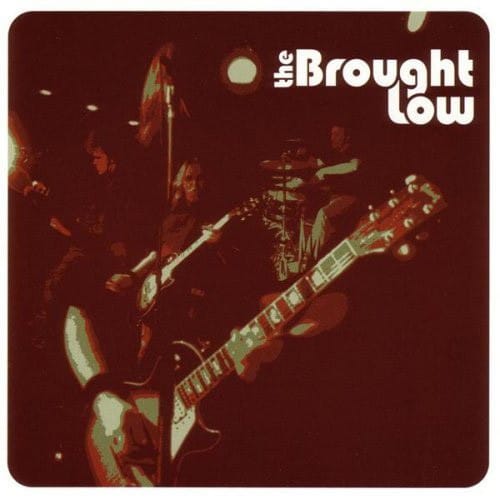
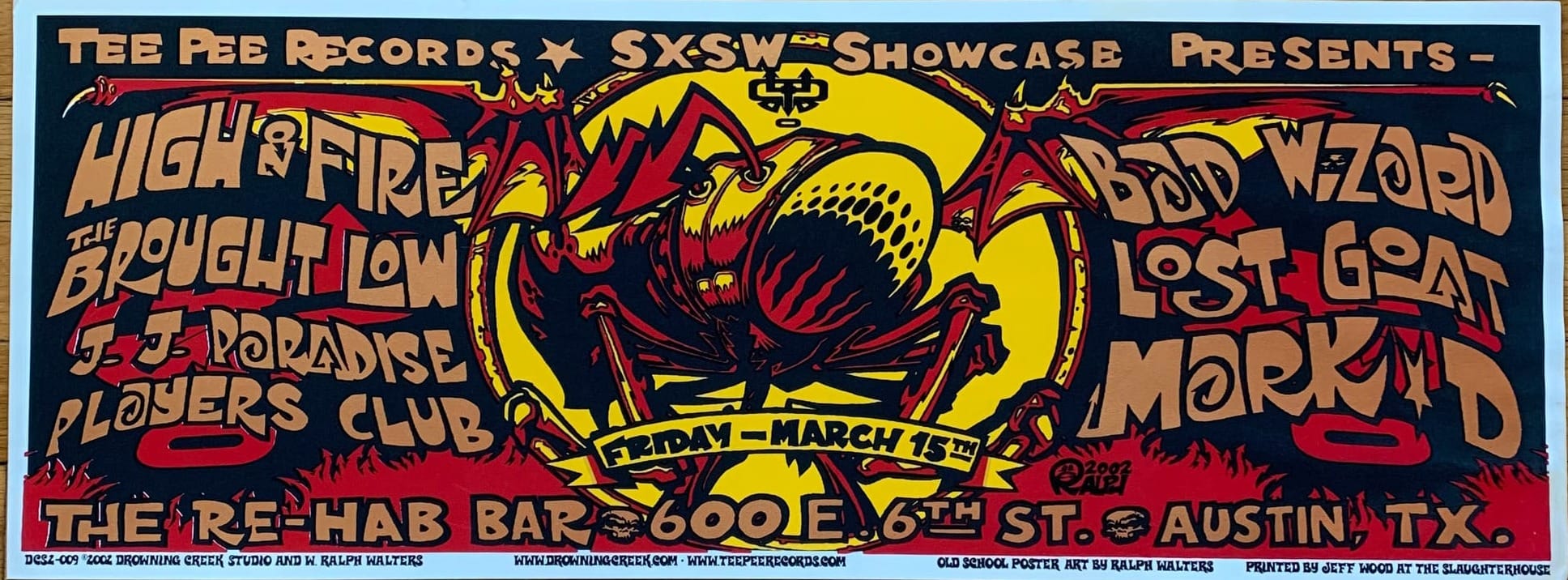
The Brought Low - s/t (Tee Pee Records) In 2001, NYC’s role as the Mecca of new, newer, newest wave was far from settled. If Tony Tee Pee had had his way, the “k” in “New York” woulda stood for Kyuss, and all the money in the world would have rolled in accordingly. Because NYC riff mongers (such as J.J. Paradise Player’s Club and Bad Wizard) had personalities that couldn’t be conveyed through either lava lamp lettering or trauma-laden barking, the project was doomed from the start. Players Club suffered from not getting the memo that heavy riff noise bands shouldn’t look like they’re enjoying themselves and Bad Wizard had a pretty good run till people started to suspect that underneath the tattoos the singer got covered up were even worse tattoos. Most just-s0-crazy-it-might-work of them all was the Brought Low, an unabashedly rawk band from Queens who, in what may have been their craziest gambit, were actually from NYC. Ben Smith sings in a buzzing keen that might be Southern if that’s what we’re calling “below 14th Street” these days, but he doesn’t pretend to care for country living or any church that’d have him. Actually, if we’re getting technical, what with Smith and drummer Nick Heller winnowing the doom riffs into wires and bassist Dean Rispler producing it all to sound like Sub Pop singles going steady, I’d be hard pressed to name just what exact classic/Southern rock band the Brought Low sounds like, unless there’s some proto-Corona Groove Metal band from Black Oak that nobody’s told me about.
PS. In the Winter of 2001, the Brought Low went on their “Escape From New York” tour and would be confronted by dudes at the merch table, everywhere they went, who’d ask if they could ask a question. When Smith would grit his teeth in the affirmative, waiting for the 9/11 questions, the interlocutor would invariably ask, “what’s up with that band, The Strokes?”
2002
January
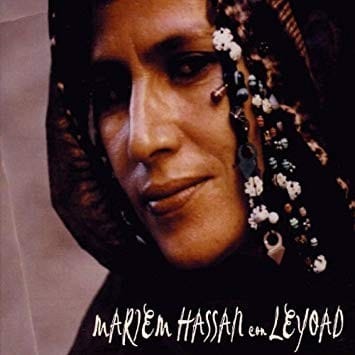
Mariem Hassan & Leyoad - Mariem Hassan Con Leyoad (Nubenegra) Considered a milestone in preserving Sahrawi culture in the face of Moroccan encroachment/control, and I don’t doubt it though, unless you’re either in the situation itself or are capable of wild levels of empathy, it’s unlikely how you’re going to hear it. Which might be for the best as, as it often goes with Tinariwen and the like, there’s a tendency to treat revolutionary movements and refugee encampments as origin stories which, in turn, is a couple steps of appreciation removed from being glib about entire peoples’ trauma. As we certainly don’t want to do that, what you will hear on the album (which is technically a “various artists” album but is very much centered around Mariem Hassan) is a thrill-ride coursing through northern African and southern European folk traditions, with the blues almost being incidental (though, to be clear, it never is), some call/response songs that are as keen as anything, and at least a few jamboree hard-bops that’re only a hop-skip-jump away from Fairport Convention’s “Si Tu Dois Partir,” i.e. rock and roll.
February
Immortal - Sons of Northern Darkness (Nuclear Blast) Blashyrkh’s most bitternessed bad boys’ 2nd most corpse-painterly album (with numero uno being a beast of the ‘90s), but even Immortal’s second best is more frostbitten than all the biters, prettier than any shoegaze ever made, and just plain ‘ol frost-better than the eternal winter of the 21st Century deserves.
Radio 4 - Gotham! (Gern Blandstein) If you remember it as an archetype of the dance-punk revival, with “pastiche” implied if not explicitly stated, a relisten is in order. Produced by James Murphy and Tim Goldsworthy for maximum jaggedness, the sounds found on Gotham! are as far from Sandinista! groovy as the Clash’s Americanisms were to any recognizable American blues. With similarly effective results, which makes sense as this was our folk music to begin with. Even Anthony Roman’s clarion, red wedge calling isn’t so much an English accent as it is the regional dialect of Andy Gill’s guitar tone, and his Garden Variety (but not, you know, garden variety) urgency is pure ABC No Rio, thank you very much. A year before the Blood Brothers would howl “We doused your TV set in propane / Turned up the gain! This party's dying so guitar-me,” these Babylon, NJ burners were already tuning the snares to “skrapyard” and making treble their business.
April
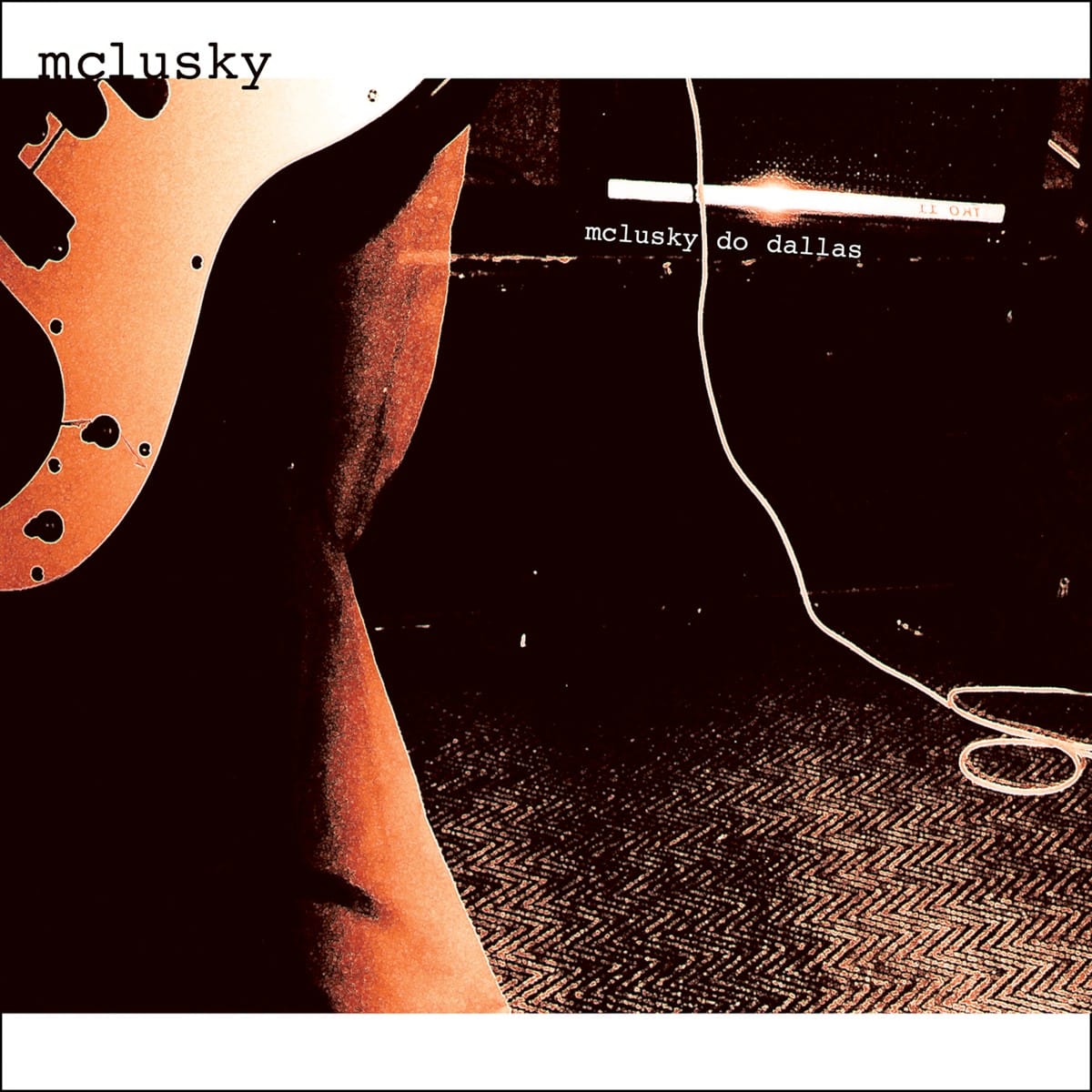
mclusky - mclusky do dallas (Too Pure) More songs than a song convention. More round-robins than a rotund act of burglary in the present-tense. And, baby, that tension is a gift that keeps giving. That lesser others spent the next two decades trying to make those songs conventional was inevitable, but not mclusky’s fault. Nothing bad on this earth is mclusky’s fault (except the stuff they admit to, early and often, in their endearing and tourettish fashion).
Denali - s/t (Jade Tree) This Virginia band’s brand of bombastic, reasonably experimental, emotional post-hardcore may have been on the losing side of the New Rock Revolution battle (pity poor Milemarker booked to headline over the Yeah Yeah Yeahs at Brownies on February 19, 2002, thirteen days after the latter band’s s/t EP hit No.1 on the UK Indies chart) but by god it won the war. Not that that’s much consolation to Denali’s specific 401K but, still, a win is a win.
August
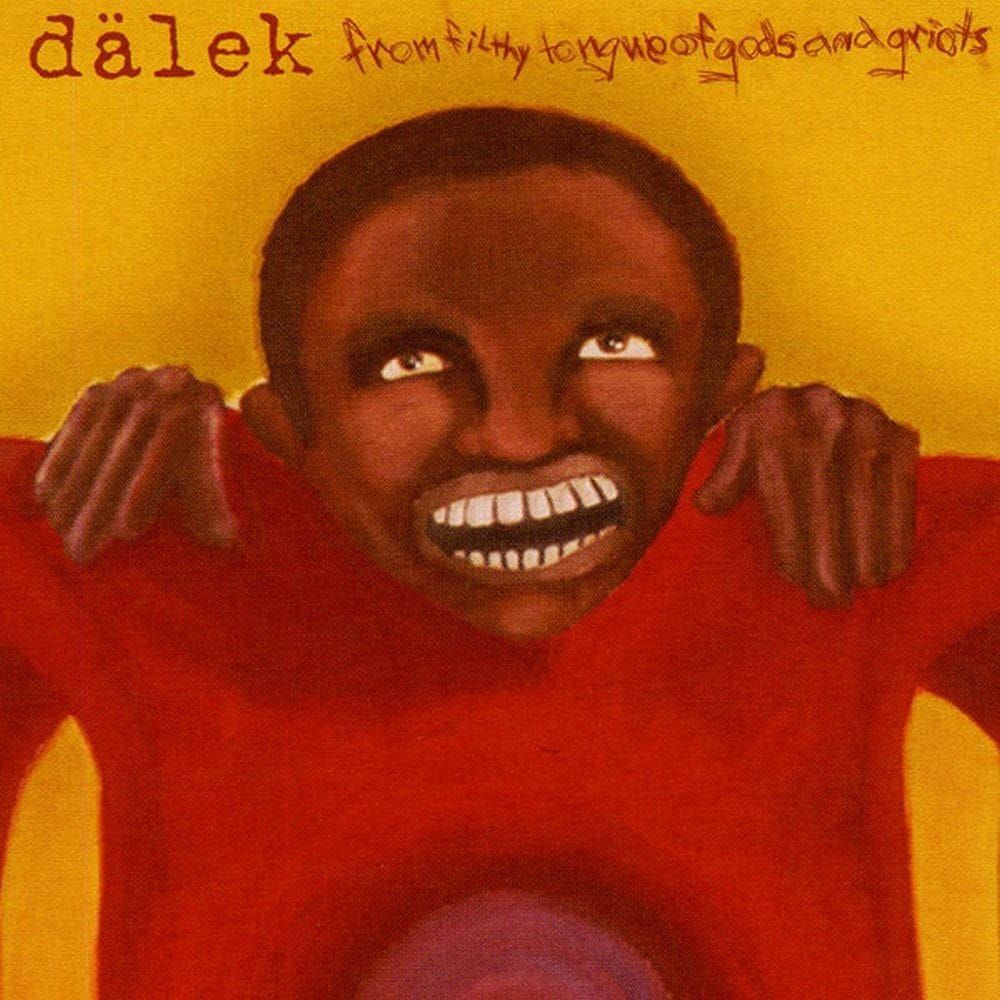
dälek - From Filthy Tongue of Gods and Griots (Ipecac) Feels a bit basic—and a bit disrespectful to both the top-tier catalog that came after and Mike Mare who would be a full partner for this last decade—to pick the 101 For Metal Fans choice of dälek albums for inclusion on this list, but seeing as the vision of Will Brooks (and, for a time, Oktopus and Joshua Booth) would prove to be as influential to this century’s oppositional rapniks as either the Bomb Squad, Rammellzee, or RZA, it’s important to get it in early, lest the lines of influence get confused. While there’s plenty here as hard bopping as Public Enemy or Godflesh, it’s arguably the less “fun” stuff that’s more vital to our purposes. Meaning; for good or ill, the Bomb Squad always brought their noise to the edge of groove but never jumped, whereas dälek ran towards the noise and only occasionally fretted about if there was a beat, a floor, or even if the studio’s gravity was working. Won’t presume to know if this album was the direct spark for others (there’s probably a few stops, going in either direction, between this and Elucid, jpeg et al.) but even if dälek didn’t blaze the exact trail others followed, they sure as shit cleared some acreage with fire. (Also, tbc, the “fun” stuff here isn’t, like, fun fun either. But it is a blast.)
Interpol - Turn On The Bright Lights (Matador) Ex-Ton-Up drummer joins up with a bassist who yearned for the theatre stage but settled for this, a singer who wanted to be a rapper but settled for beautiful intonation, and Daniel Kessler (who I have no jokes about), to make the ham they wanted to see in the world. Not the hip hop that Banks woulda liked but, to paraphrase Carlos D’s brother, Chuck; the CNN for black(clad) people.
Sleater-Kinney - One Beat (Kill Rock Stars) Originally on KRS, now on Sub Pop. The Sub Pop bandcamp page lists the album as coming out in August of 2000; a pretty neat trick for the best American album about 9/11 (2001), made by America’s Greatest Rock ‘n’ Roll Band (circa: 1994-2006). Of course, if One Beat did come out in August, 2000… that changes everything.
September
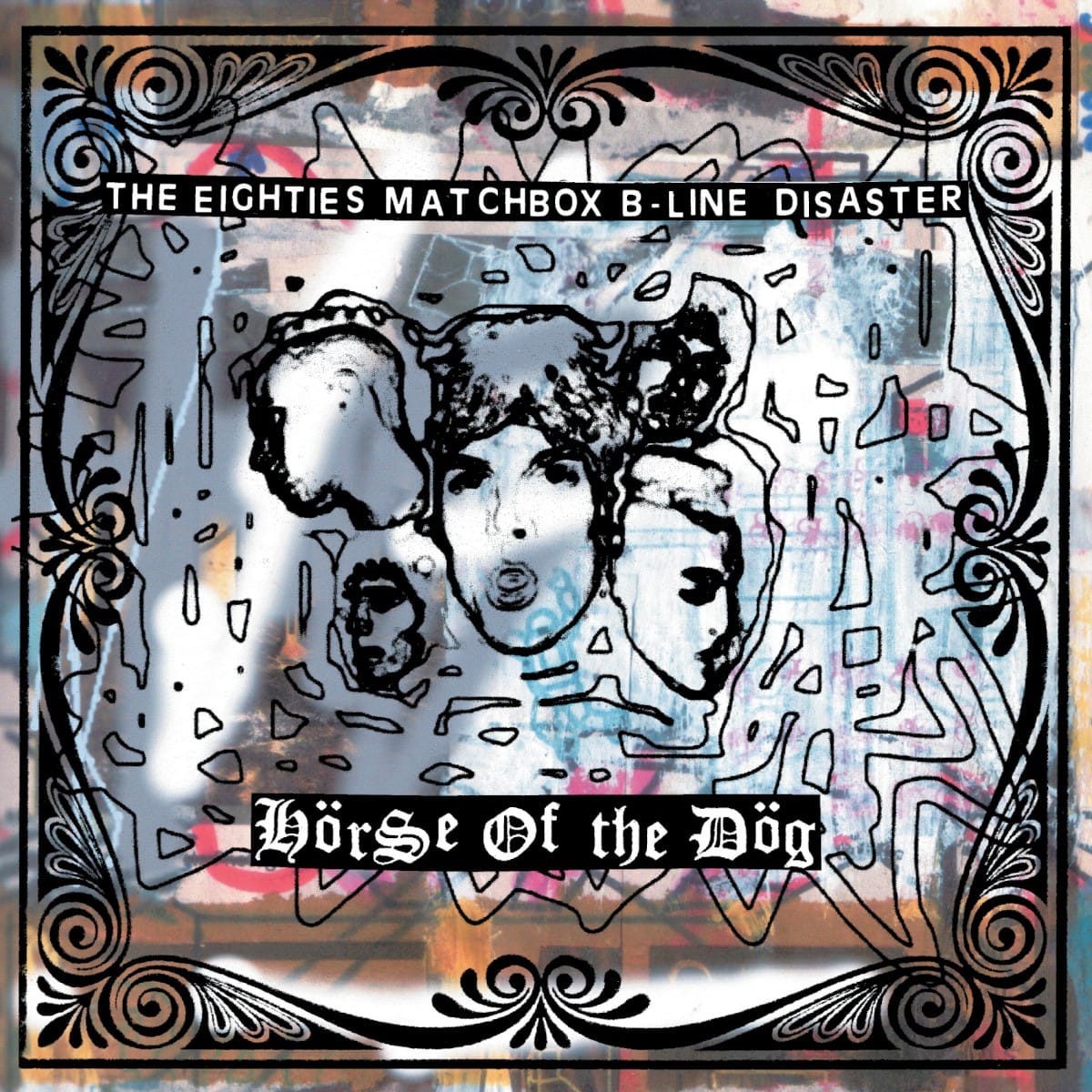
The Eighties Matchbox B-Line Disaster - Hörse of the Dög (No Death / Island) Misfit(s) cow-punk classic. If “beach goth” didn’t mean either something that sucked or nothing at all, it’d mean this.
October
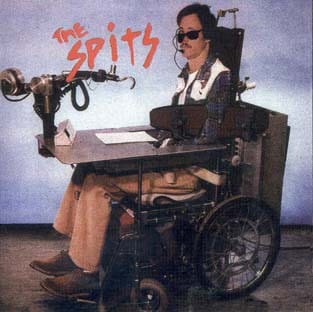
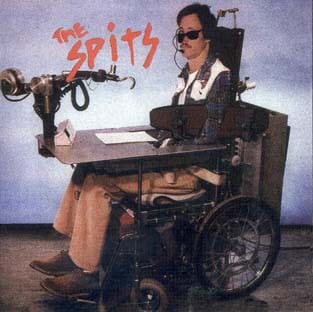
The Spits - s/t #2 (Slovenly Recordings) This Kalamazoo act is one half Suicide and one half Ramones and nothing else (ok maybe one half VOM as well). Despite being as assiduously against the world as they are (as evidenced by their live show and tour stories) against each other, their devotion to pop’s essential ingredients has made them more influential to 21st Century punk music than the Ramones and Suicide combined. In terms of reach, only Blink-182 surpasses them (in terms of influencing all the bad bands), only Springsteen surpasses them (in terms of influencing all the “eh” bands), and only Ween surpasses them (in influencing all the “???????” bands). Everyone else with three more chords than sleeves? It’s the Spits all the way to Valhalla. Let them play your party.
November
Johnny Cash - American IV: The Man Comes Around (American Records) I honestly couldn’t, at this point in time, even tell you if this is a “good” album or not. Like Nevermind or the dead from WW1, the sheer scale of it defies actual human feeling. It’s an object; the album where Johnny Cash covered Nine Inch Nails and brought the awareness of mortality to mankind, the prick. Also of historical note for being the last time I gave a shit about anything Trent Reznor had anything to do with. Probably Rick Rubin too, but I’d have to check Wikipedia to make sure about that one.
Specific date unknown/fudged for narrative purposes
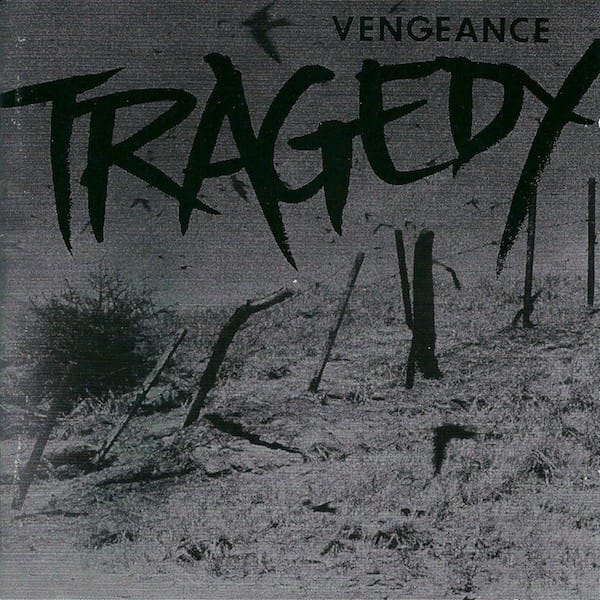
Tragedy - Vengeance (Tragedy Records) This Portland (via Tennessee) punk band is only called “stadium crust” because “Collosseum crust” would be too hoity-toity. But that would be more apt because this doesn’t sound like stenchcore sharing a bill with Foreigner or Led Zep (tho Tragedy’d blow either of ‘em off the stage) so much as the barked vocals, melodic-metal leads, and galloping everything else, sounds like a demolition derby of chariots.
PS: Of equal note (crusties are nothing if not egalitarian) is From Ashes Rise, the Teddy Pendergast to Tragedy’s Barry White. (Joke Explainer: From Ashes Rise, the other Tennessee-to-Portland epic crust band, is similar to Tragedy, but everything is on a slightly higher register.)
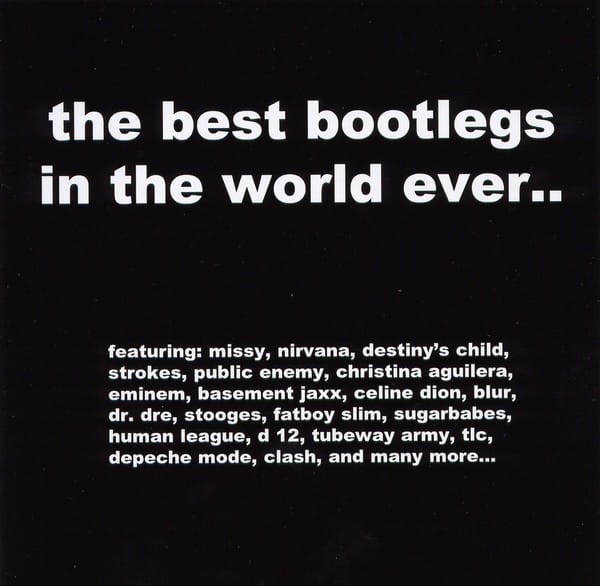
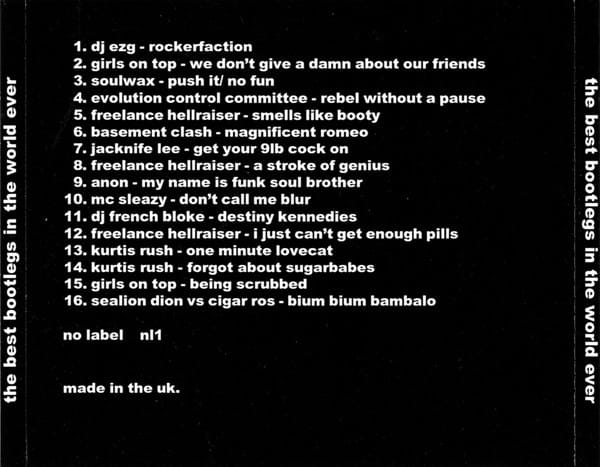
William Basinski - The Disintegration Loops (Temporary Residence Ltd.) Various - The Best Bootlegs In The World Ever.. (No Label) If you play both albums simultaneously, the Recording Angel of Do’s and Don’ts appears and tells you how the 21st Century ends.
February
Ted Leo & the Pharmacists - Hearts of Oak (Lookout! Records) Critics really couldn’t get over Ted Leo using the word “abjure” in a song. Whether marveling at an unexpected Indiana/Jerseyite literariness—or taking it as proof that what we had on our hands was no honest-to-god rocker but instead one of those readers that Johnny Thunders warned us about—reviewers paid such attention to standard evidence of former Catholicism, you’d almost think that there were a lot of Jewish people working in music media.
The other critique worthy of critique was that, in 2003, critics apparently knew multiple songs by Dexy’s Midnight Runners. Otherwise, how would they all independently make the connection on their own? Never mind the fact that, outside some vocal trills, and some of the drumming on a couple verses, very little of the instrumental playing on Hearts of Oak sounds much like Kevin Rowland. It’s not like I expected the Dean of Rock Criticism, or adjunct professors elsewhere, to have memorized the bass tone on albums by Greyhouse. But maybe just a passing knowledge of Leo’s own work would’ve helped? I’m not denying the Thin Lizzy influences. Nor the 2 Tone/Red Wedge-era stuff. But Ted Leo had been in hardcore bands. So, yes, maximum R&B and all mod cons etc etc but… look, I’m not saying it was, like, Quicksand Messenger Service. But, still, this was literally post-hardcore for him. DAVE LERNER WAS IN NATIVE NOD FOR CHRISTSAKES.
The point is: if 9/11 hadn’t happened, 9/11 (Leo’s birthday) would be a national holiday. He’s a rude boy I’ll never abjure. When Ted Leo similes, I’m in heaven. (also highly recommended: 2014’s The Both - s/t.)
Cat Power - You Are Free (Matador) According to Lana Del Rey, our greatest documentarian-of-those-27-Club-paintings-you-see-hanging-in-diners learned to sing by listening to Cat Power. This scans as, at times, listening to Cat Power, you could almost fool yourself into thinking that art and beauty and infinite sadness are haphazard; things that just appear in the back of one’s throat. Frankly, if someone wants to just skim across the surface of these songs, I don’t blame them. There’s a reason we don’t all invest in private submarines and set course for the bottom of the Mariana Trench. Life is hard enough. Move to California. Smoke pot. Marry a cop. You are free. It’s right there in the title.
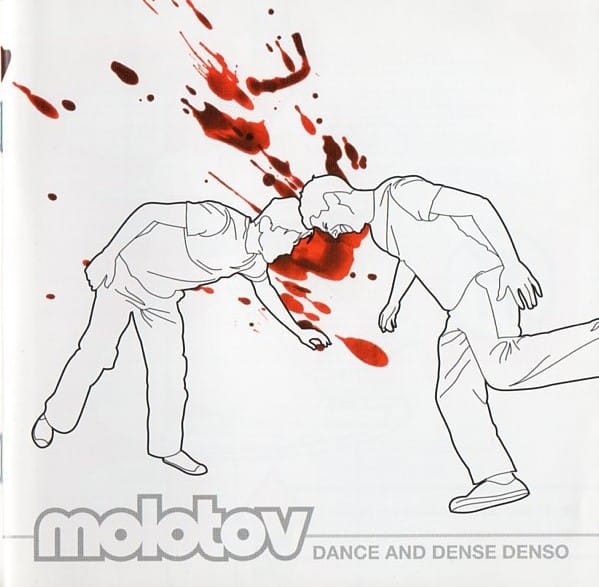
Molotov - Dance And Dense Denso (Universal Latino) The true sound of getting in the pit and trying to love someone. Accept no substitutes.
April
Lucinda Williams - World Without Tears (Lost Highway) Since my mom died, I can’t listen to a lick of this fucker but that’s ok and probably by design; music like this is built to be savored with one person and then, when they’re gone, to be listened to solo at one’s own risk.
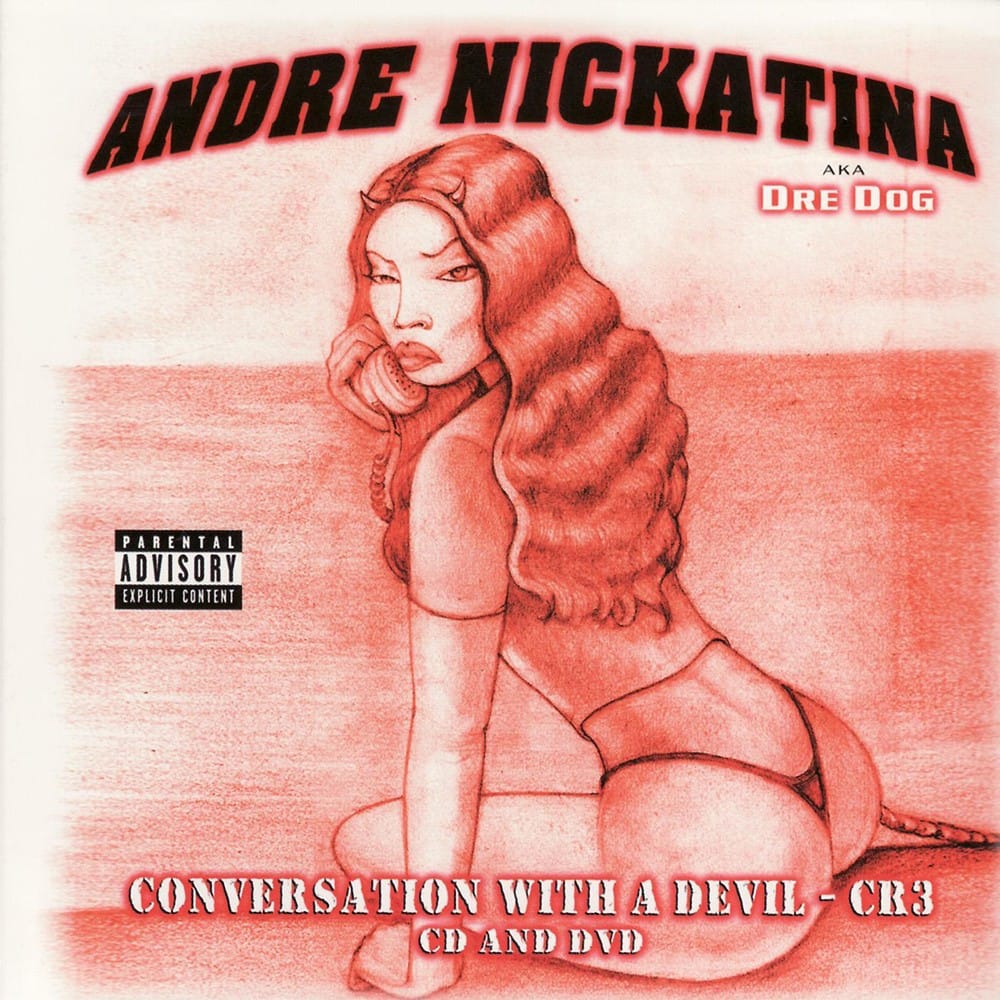
Andre Nickatina - Conversations With A Devil (Fillmoe Coleman Records) The Stagger Lee of deviated septums.
June
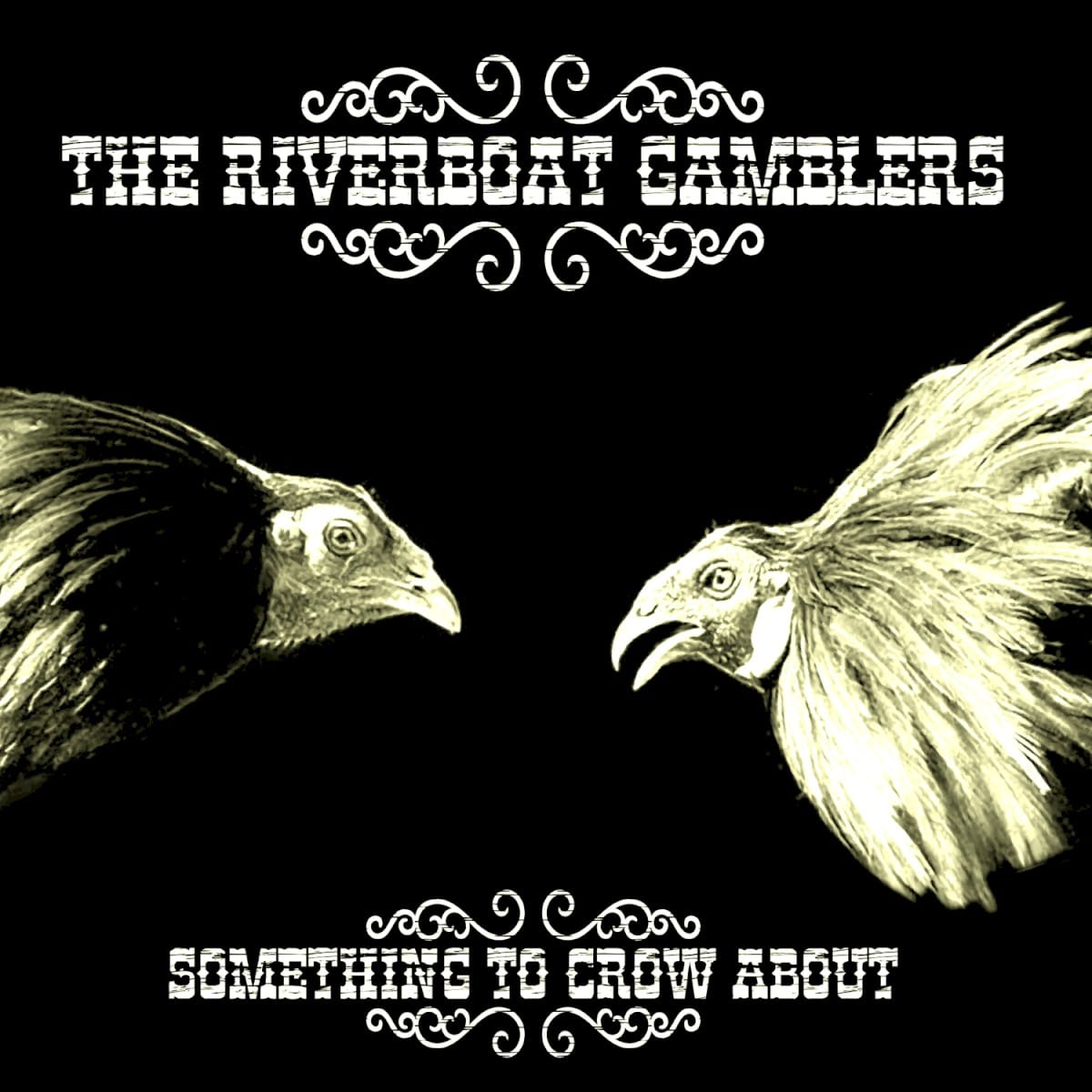
Riverboat Gamblers - Something to Crow About (Gearhead Records) For a band who started as a Candy Snatchers tribute act, there’s something almost wholesome about the joie de vivre on display here. In the same way that watching fellow Austin-ite Richard Linklater’s Dazed & Confused makes one nostalgic for a time and place that would undoubtedly be a hellscape for the majority of those reading (or writing) this, Riverboat Gamblers make being born to lose and die young on the outskirts of Denton sound like winning the lottery.
Tindersticks - Waiting for the Moon (Beggars Banquet) When I was nineteen, I lived and tended bar in Johannesburg for about six months. It was fine. Any deficiencies in the experience were projections of my own interior life. One neat thing that happened though was one time I ended up at a biker clubhouse (supposedly a chapter of the Hell’s Angels but I have no idea if that’s true) and, amidst all the deco one would expect from an English/Boer biker gang in South Africa in 1994, there were various band names spray painted on the clubhouse walls. Only ones that I remember were “Lynyrd Skynyrd” (with the intercontinental white southerner kinda going zip for zip on the “rising again” front), “Rodriguez” (of Cold Fact fame… if the whole auxiliary Hells Angels thing didn’t pan out, the bikers shoulda reached out to Other Music) and, finally, in a huge black scrawl: “Tindersticks.” And that’s true on both sides of the Mandela Effect. I texted Earth 2 Zack and checked.
Supposedly Waiting for the Moon is unloved by members of Tindersticks. Well, that’s just Stuart A. Staples’s velour to abhor. ‘Cos listening to it makes me feel like an outlaw. 4.48 Psychosis! My Oblivion! Vroom! Vroom!
Beyoncé - Dangerously in Love (Columbia / Music World) To address the elephant in the room: I’m aware of the trope of “white straight cis male critic of a certain age purporting to be a fan of Beyoncé,” or, worse, the above type making a list of 99.99999% white indie acts and then, like, throwing in Kind of Blue and an Arrested Development CD for, you know, reasons. So, let me be clear: I like Beyoncé well enough. If the word “left” comes up, my first thought will invariably be “to the left.” She is as much a part of the air I breathe as she is for any red blooded American. I do not, however, claim to listen to her regularly. Or even sporadically.
I do, on the other hand, have a wife.
July
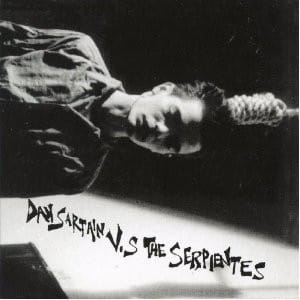
Dan Sartain - Dan Sartain vs. the Serpientes (Swami / One Little In…) Like a Jerry Lee Lewis who never got away with it even once, an ornery Jack White, or a Chris Isaak whose need for ingratiating himself into the world ran negative, Dan Sartain wrote a song for anyone and everything that ever did him wrong, and on that shitlist he always included himself as the plus one. It’s wrong to romanticise trauma and bad luck, but these spare doom-a-billy songs, each one a miniature Griffith Observatory hotrod, sure make it hard not to. As tough and catchy as any garage rock made this century.
August
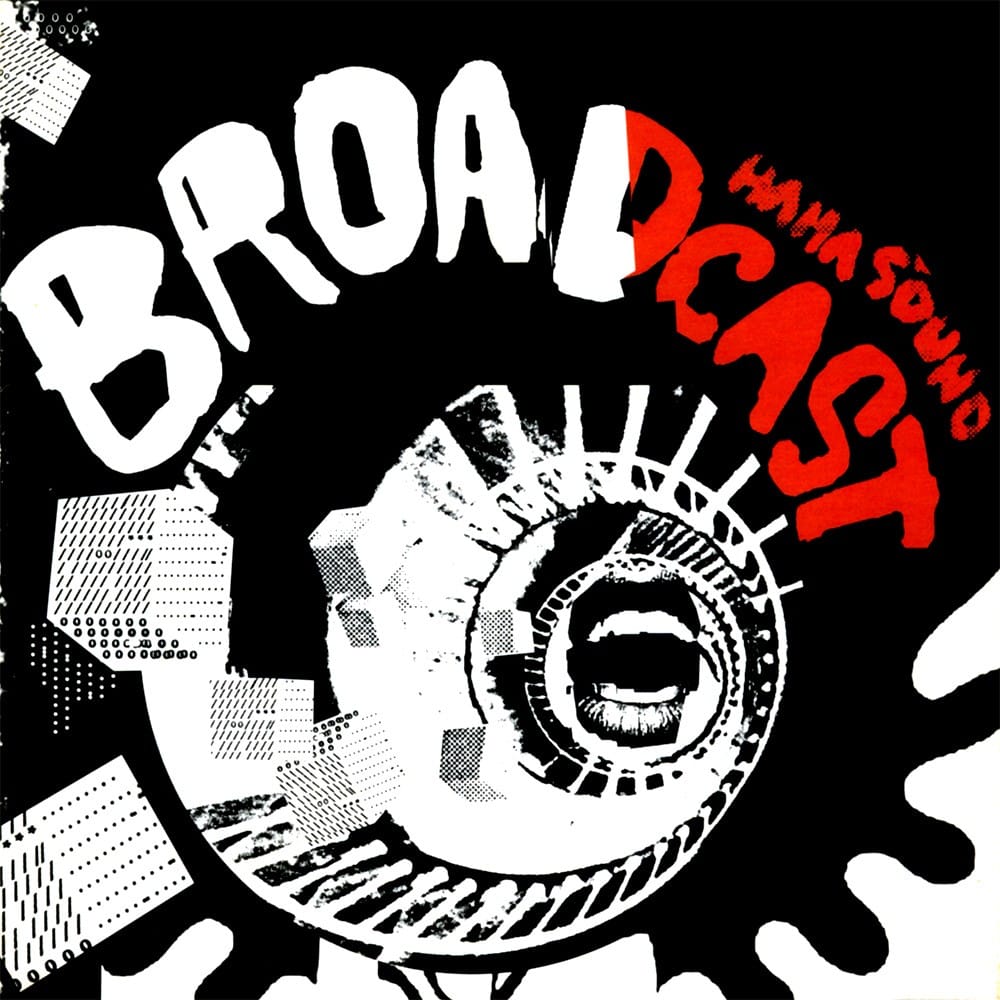
Broadcast - Haha Sound (Warp) “Haha Sound maintains, for its entire duration, one of the most extraordinary textures I’ve ever heard in recorded music; but what elevates it even further is the opening song, ‘Colour Me In’, which gives that texture such a richly detailed cinematic introduction that the impossible spectacle of the whole record feels like it’s happening right in front of you. The Escher-like mechanical factory is activated and you can smell the oil and feel the steam on your face; the jet-black crystalline spiders hatch and you can see them scuttling politely past your feet. Some re
cords open with the sound of the band setting up, chatting and laughing as they plug in their guitars and noodle on their keyboards and adjust their drum kits, and that alters your perception of the record’s physical space; this is Broadcast’s sublime, illusory equivalent.
“And then there’s track 2, ‘Pendulum’. There are days when I feel like it’s the greatest song ever recorded, and not merely somewhere in the top ten. There’s beautiful order to it, and there’s violent chaos too, and Trish Keenan sings like a diplomat chairing a high-stakes mediation between the two. That’s what makes her voice and her words such a perfect fit for the impossible room of Haha Sound: she sounds like she’s being beamed in from another time, another planet, another dimension; she sounds like she’s standing right in front of you, telling you everything you need to know.” - Chloe Alison Escott, Native Cats, Hobart, Australia
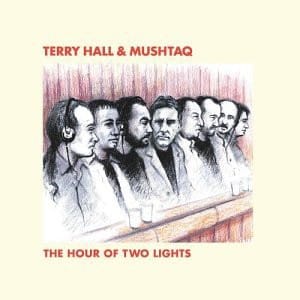
Terry Hall & Mushtaq - The Hour of Two Lights (Astrelworks / Honest Jon’s) “Melody is the focal point. I don’t like most translations of source material into other languages. They are often exercises in the importance of prosody. Remixes, even at their most “fuck with the entire DNA of the original,” should keep the fucking melody. When melody comes correct, it gets right into our bones. The Arabs call it tarab. Most folks think melody is just a bunch of notes in a clever sequence, which yeah, sure, but just as much as that, it’s the relationship of varying pitches and varying RHYTHMS. And you get that rhythmic interest with the words we set to articulate the notes. So shoehorning a style that was retrofitted for something else can produce hilarious results - listen to even my beloved Natacha Atlas’ cover of James Brown’s “It’s A Man’s World” for laffs cos swapping melisma style with another is (wo)man’s hubris. God is laughing.
Speaking of God, ‘We wanted to mix Jewish and Arab traditions, which as far as we're concerned was political from the outset. But we didn't want to be sloganeering. We wanted to jumble it all up. And the feel had to be positive - because it's very easy to be anti, and it's very difficult to be pro.’
The West meets East melange can be a lot of things, especially considering the place of Hall and Mushtaq, with their disparate Polish Irish Iranian Bangladeshi backgrounds, in the shared backdrop of post-imperial Britain: in all its dub and punk and ethno-techno overlap - this record could have been garbage east west melange but it’s just rad and beguiling. The sonic backbone really showcases Mushtaq’s genius layering of exquisite traditional eastern instruments like darabuka and oud and ney alongside record scratches and a diaspora of asylum seeking artists from all over. The grooves go hard, but they’re quiet, but more like quietly menacing.
What makes The Hour of Two Lights so quietly disarming is that it takes a particularly rare artist to approach an East/West melange by not reaching for the usual tells—no over-melismatic crooning, no feverish “exotic” affectation to match whatever desert-dub compilation someone dug up at the Record Exchange that afternoon. Terry Hall’s laconic and detached—yet beautifully menacing—vocals have no business working so well and, especially with the underpinning that could easily lead to Hans Zimmer Dune-fakey Agrabah stylings (and I know they often do, cos I used to go to the movies), their subtlety, with no emotion lost for that subtlety, is no small miracle.” - Zohra Atash, Azar Swan, NYC, NY, USA
Hibernation - Στη Σιωπή Της Αιώνιας Θλίψης Into The Silence of Eternal Sorrow (Skuld Releases, Power It Up) Either Hibernation is the His Hero Is Gone/Tragedy of Greece or Tragedy is the Hibernation of Tennessee/Portland. I’m not qualified to say and I’m not looking to start an international incident within the stadium crust community which engulfs it and its diaspora for years to come. All I know is that the main difference between the two wampuses of crust is that the Greeks are bearing synths which blow cold mountain wind through their hair as they ride across the epic crust plains. As for who’s first or finer? I’ll simply quote billy woods: “let’s not argue / just say he’s the best.”
For a significantly more informed perspective on the topic, please see Terminal Sound Nuisance.
October
Lungfish - Love is Love (Dischord) Daniel Higgs still drawing from the cast of characters (in the wizard biz, they call them archetypes) that populated this band of Baltimore recording angels’ first LP, Talking Songs For Walking. Of course, even then, when he was giving voice to the heart-heart deniers of revelation he was always kind of setting things up for the revelator side of argument to positively wreck the place. Besides his having a Midgard Serpent-sized personal charisma, that’s projected through a voice that weaves easily between earth dragon and the tenor-warning of Boorman’s Merlin, what really keeps Higgs’ damnable knowing from being insufferable is the strange cacophony creaking around him. Asa Osborne’s tantric pig-fuck guitar has a tone which might be the first to skirt the line between Celtic Frost jenkiness and coral reef beauty. Half monk rattling off the names of God and half lichen, Lungfish’s guitarist is no less a fanatic than Angus Young. Back in Black, Love is Love, Thunderstruck, Peace Mountains of Peace, Let There Be Rock, Hear The Children Sing… you’d have to be some sort of agnostic to delineate one end-time time-ender from the other.
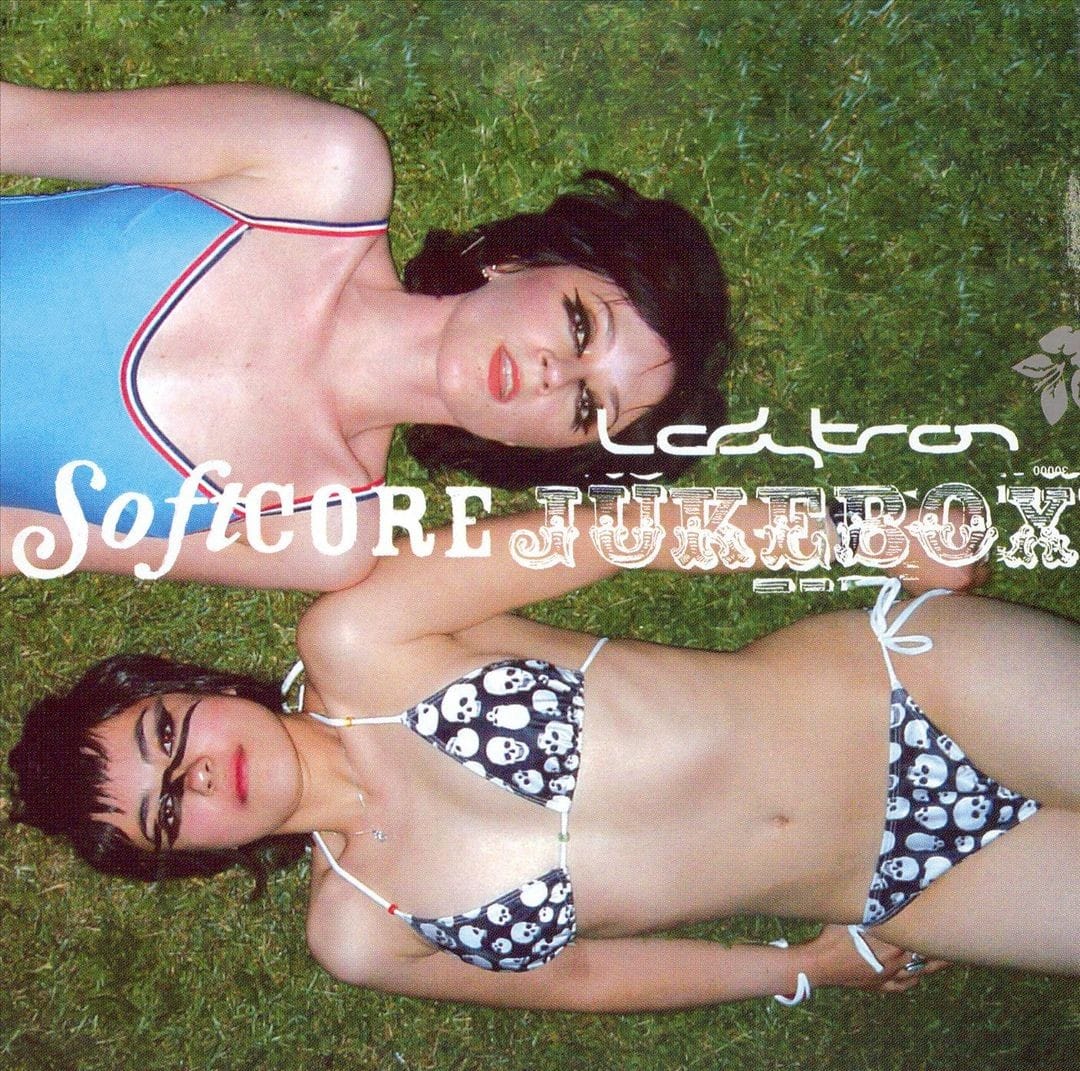
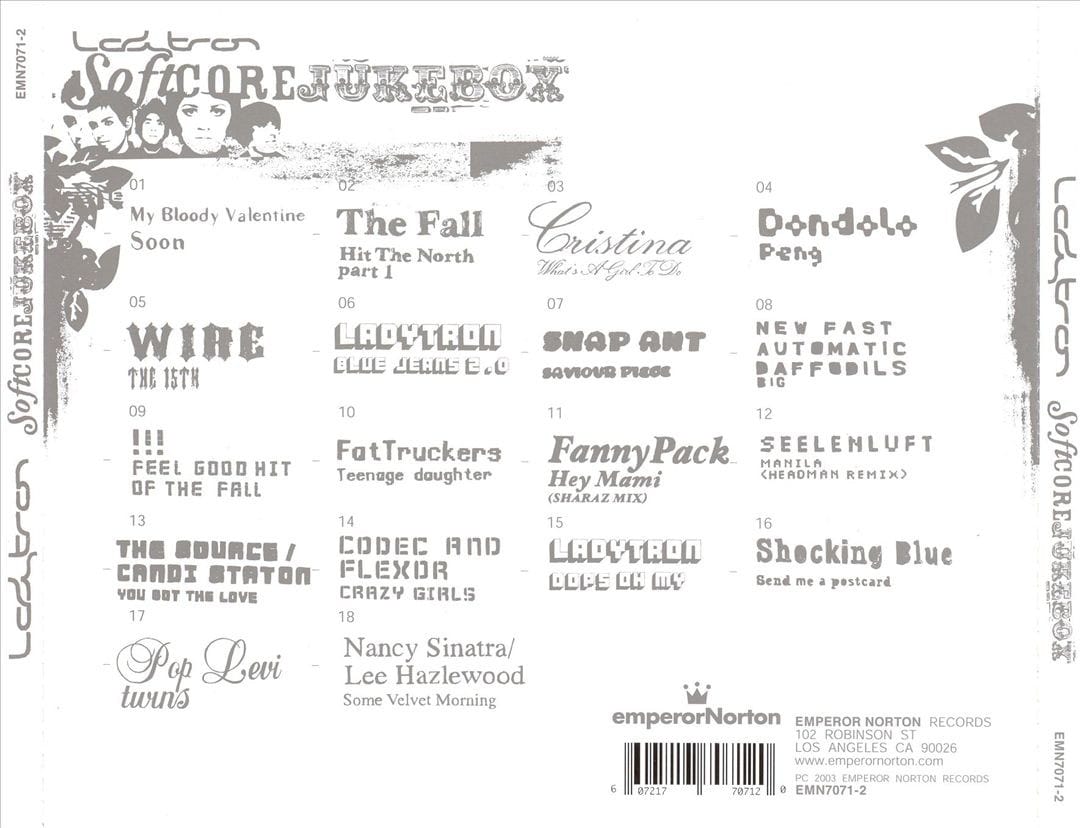
Ladytron - Softcore Jukebox (Emperor Norton) After two delightfully chilly LPs, which invented the genre known as “electroclash that critics like (somewhat),” Ladytron gifted the world a CD mixtape of their own songs (including a cover of Tweet’s 2002 ode to jacking off, “Oops Oh My”) interspersed with a who’s-who of 101 influences such as the Fall, New Fast Automatic Daffodils, Shocking Blue, Wire, and Fannypack. Before the internet, if you didn’t have a ton of money, a friend who worked at a record store, or an older sibling, Softcore Jukebox was the only way to hear all the music that the streets of Williamsburg were talking about.
The Creatures - Hái! (Sioux Records / Instinct Records) You can’t really call Hái! a “divorce record” since Siouxsie Sioux, singer of Siouxsie and the Banshees, and Budgie, her longtime drummer in both the Banshees and this side project—and Sioux’s husband since 1991—wouldn’t split up for another four years. Still, considering the Banshees had broken up a decade prior and this final Creatures album was pretty much cobbled together from a series of recordings that Budgie had made while galavanting around Japan solo, I’m willing to apply a wide lens. If it’s not technically a divorce album, there’s enough distance in these songs to get a savvy divorce lawyer’s ears burning. Or not. Maybe it’s a coincidence that the album is completely offline, with no way to purchase it legally and with no plans for a reissue. A couple years back, I asked Budgie if there was any chance that this collection—all clattering and sparse strings, echoing percussion, and mascara’d sleepwalking (which, to be clear, Ms. Sioux can easily get away with)—might be re-released. He said something along the lines of, if it were up to him, it would be. But it was not up to him. Then he amiably changed the subject.

January
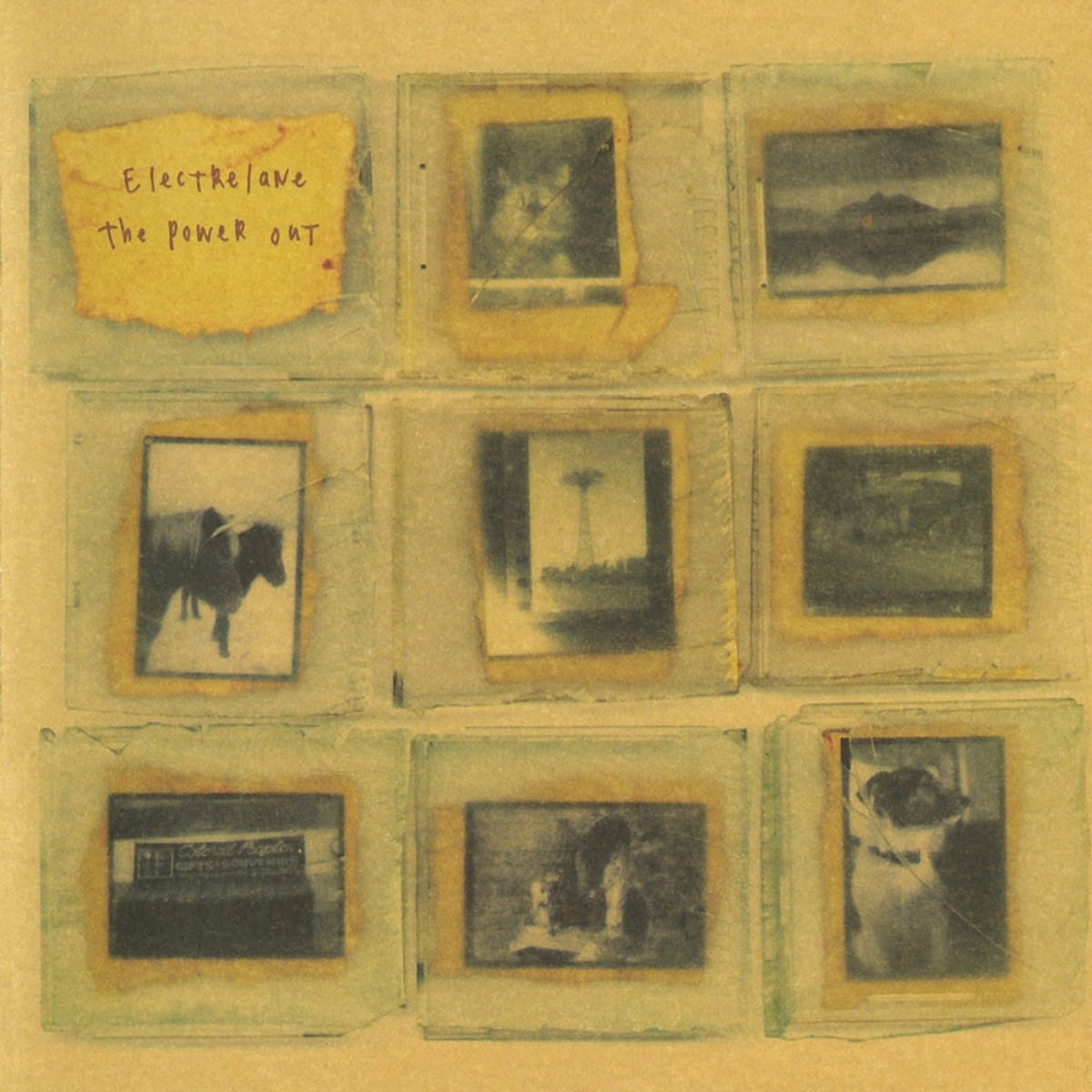
Electrelane - The Power Out (Too Pure) Four smart-punks from Brighton come together, Voltron style, to form a silver machine that runs on Spanish poetry, German philosophy, motori-sophistication, and whatever strange bird-songs go through the heads of such types. During my peak-peak-peak cokehead days, this album was the only reason I ever slept and one of, like, ten reasons I had for waking up.
Coachwhips - Bangers Vs Fuckers (Narnack Records) John Dwyer, splitting the difference between Pink & Brown’s noise and Thee Oh Sees’ rock, makes an album where he treats Captain Beefheart riffs the way Lemmy translates the works of Chuck Berry. Recorded and mastered by Weasel Walter as an exercise in sadomasochism.
March
The Standard - Wire Post To Wire (Yep Roc) The musicianship is bombastic and strange, utilizing clean piano that neither boogie-woogies nor tells you what to feel. Tim Putnam’s vibrato is so unrelenting that, when you close your eyes, you can hear Brian Molko suggesting the Standard might be more famous if they were subtle like him (a suggestion which Putnam declines). The Standard were an Oregon band who put out a debut on Touch & Go, two albums on Yep Roc, and a fourth and final album out on Partisan, the label founded by the Standard’s singer. Up until a few months ago, I had never heard of this band. Nor do I know anyone in real life who knows them. I can only assume that this is either that Mandela Effect I’ve heard so much about or one of those Lady on a Train conspiracy-type situations (to what end, I don’t know). I have to believe that it’s one of the two as I refuse to believe an album this fantastic came out the same year as Arcade Fire’s similarly melodramatic Funeral and everyone just decided to go with the Canadian jumped-up emoes.
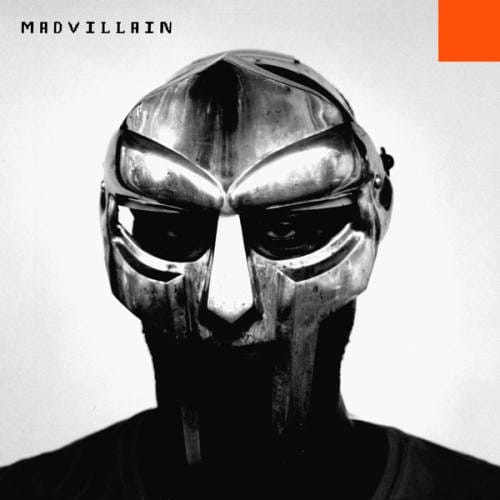
Madvillian - Madvillainy (Stones Throw) If we’ve been end-timing empire since 2001 (at least) and the Aughts were as Weimer-coded as Strokes-discontents would (probably correctly) have us believe, Madvillainy is as good a Three Penny Opera as one could wish for (if one were to wish for such a thing). If Madlib squeezes funk between his thumb and forefinger till it comes out as Jellyroll ragtime, he still conveys all the postponed ghostliness of any strange place between wars, and then MF Doom sprays the proceedings with enough dada to rep all the shellshocked poets who ever made it through by their helmets and wit (yeah, I know there’s deep sense and references here, not dada, but I didn’t go back to college for Mark E. Smith either).
April
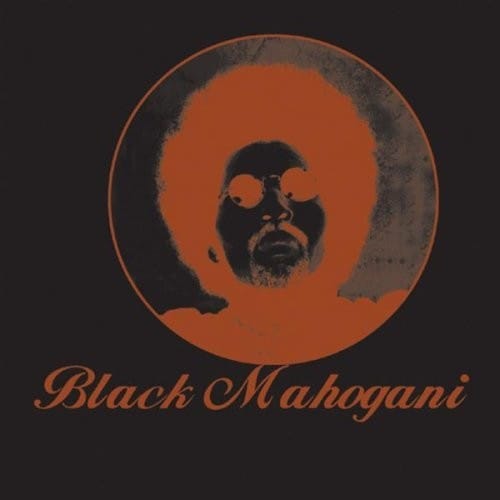
Moodymann - Black Mahogani (Mahogani Music) I’m going to make an admission here, one that might destroy my credibility as a music critic forever (oh no). I… kind of think the Caretaker is kind of bullshit. Like, with all due respect to Mark Fisher and all the ghosts of the English Empire, I just don’t find all that crackly yore terribly compelling, or spooky for that matter. Maybe I’m just not English enough, maybe it’s because I’ve already watched The Singing Detective, or maybe I’m just fairly confident that I can take any ghost trapped on a 78. Either or, the hauntology doesn’t hit. It’s just not a history that's absence I’m inclined to care about.
Conversely, if I ever find myself alone in an abandoned roller rink and Moodymann’s Black Mahogani starts playing out of an unplugged speaker, I’m leaving a Mystery Machine-sized hole in the nearest wall. (Of course, it’s very satisfying to listen to at home.)
The Soviettes - LP ll (Adeline) First off, dig the band, adore the album, hate the band name. Afghan wife and family means I don’t find the leftist trend of hammers-and-sickles-in-bios to be cute, and I’m afraid that extends retroactively. That’s love, baby!
Alright, that out of the way, this is as good a place as any to point out that throughout the Aughts there was a semi-underground pop-punk culture which only occasionally overlapped with the Fall Out Boy or Warped Tour overculture, while thriving parallel to the more reported-upon garage rock and post-punk revivals. If you were within any of those subcultures, the distinctions between the various factions was clear and one would be considered a real idiot if one suggested that the difference between the average Razorcake cover stars and, say, The Cribs, was maybe a bit academic. Within that tho, the Soviettes are a good example of an extremely sharp New Wave of the New Wave of New Wave (Adjacent to Pop Punk) DIY punk-y band who’d probably been on a lot more magazine covers if they’d been from London instead of Minneapolis.
Fun Fact: Along with fellow-listers Denali and Against Me!, the Soviettes were on the wildly successful-by-some-metrics, somewhat-less-successful-by-other-metrics Rock Against Bush: Vol. 1 compilation.
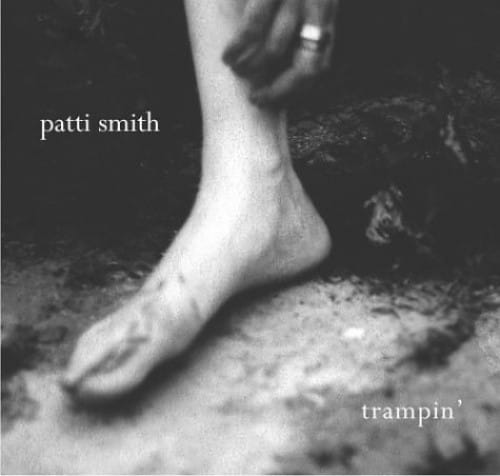
Patti Smith - Trampin’ (Columbia) In the midst of all the mythmaking—whether it be the androgynous piss making, Frenchly poetic homewrecking, or the late period Earth motherhood—one might be forgiven for forgetting how hard Ms. Smith can swing that stuff around. Trampin’, with all its dirging hope, anthemic downtown folk, and inverted-hippy bonhomie, is a good reminder that she’s so, so much more than either storyteller or story; she’s a rock ‘n’ roller in both the most populist and peculiar sense.
June
J Church - Society is a Carnivorous Flower (No Idea Records) You’re not punk and I don’t need to tell anyone because it’s obvious to everyone by the fact that you don’t own at least fifteen J Church albums. RIP Lance Hahn. RIP yr cred.
(jk. Lance Hahn didn’t like gatekeeping. You’re doing great.)
August
Mark Lanegan Band - Bubblegum (Beggars Banquet) Former frontman of the most underappreciated of the accused-of-being-grunge bands comes and gets something akin to clean. He couldn’t save himself and still there’s a legion of self-agrandizing fuck-ups—present company in the bathroom mirror, for a time, included—who live inside these songs as though they were halfway houses. Which they halfway are, even if the other half of every one of them is pure Call of Void. Still, the singing is as lovely lovely as it is cool cool, and if you’re born to lose, you probably like it that way. Otherwise you’d do something else, right?
September
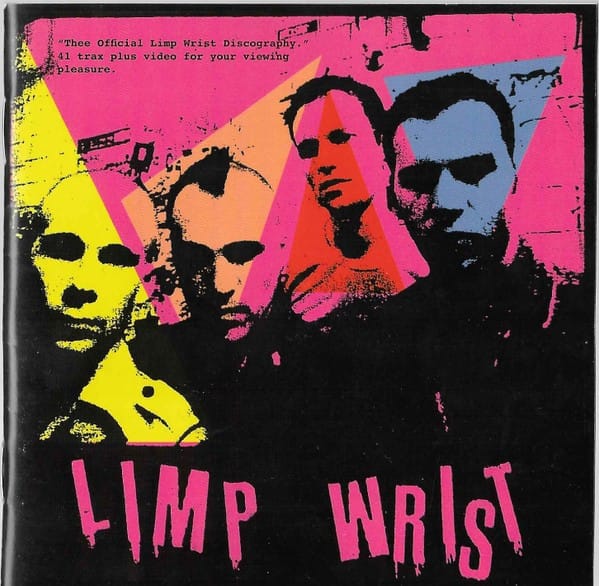
Limp Wrist- Thee Official Limp Wrist Discography (self-released) Punk band formed from the ashes of Los Crudos (who Jayson Green calls the greatest hardcore band ever, and he would know) featuring former and future members of Kill The Man Who Questions, Devoid of Faith, Flesh World, Exit Order, Canal Irreal, and roughly a dozen other bands with similar names. It being the Aughts that it was, they could have just shown up looking like they do and made the cover of VICE. Instead, being able to write dozens of perfect punk chunklets in the time it took Fucked Up to tune, and having already carved out on their own terms an admirably vulture-resistent culture, they opted to stay where the hardcore boys are.
September
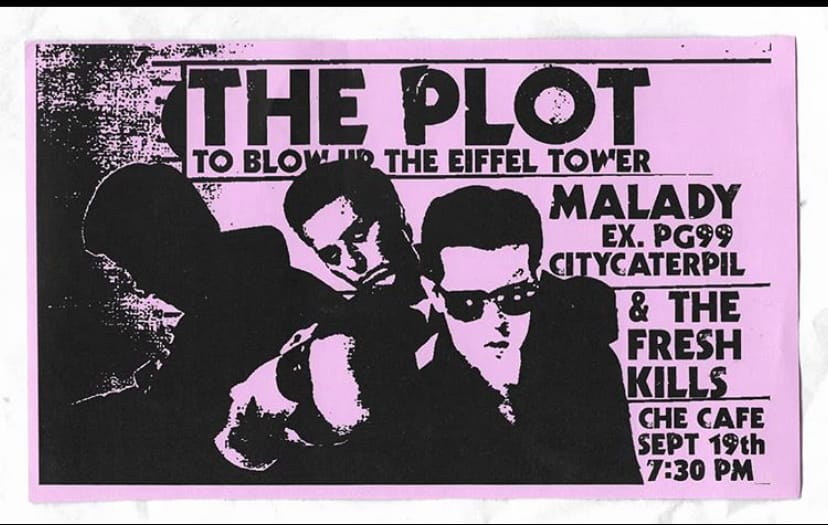
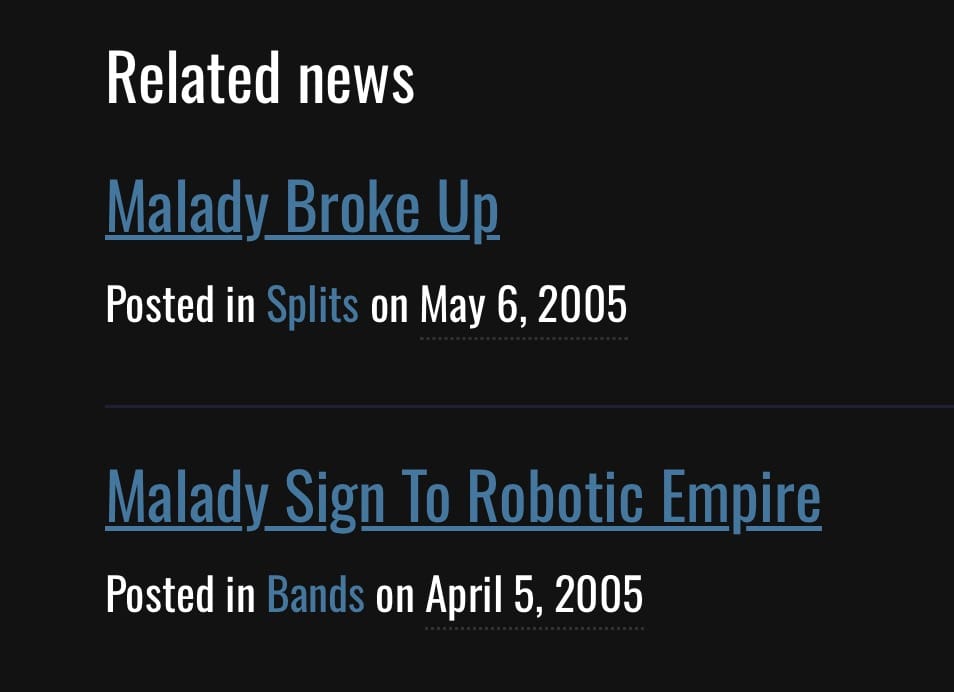
Malady - s/t (Level Plane) Toured with these ex-City of Caterpillar/pg.99 pigpens for about a week. They thought I was a cornball and I thought they were boring. They were half-right and I was all wrong. How I ever thought eight songs of emotional power-hospice was boring is beyond me. In my defense; the hooks, in true aughts-core fashion, are all buried lest anyone have a good time. But, by God, they are hooks there like crazy. (also on the tour was a fantastic, Birthday-Party-as-screamo-jazz, band, The Plot To Blow Up The Eiffel Tower, who'd have had hooks if hooks weren't counterrevolutionary. Within a few years, Brandon Welchez and Charles Rowell would reconsider their position on writing catchy songs with the passion of new Catholics.)
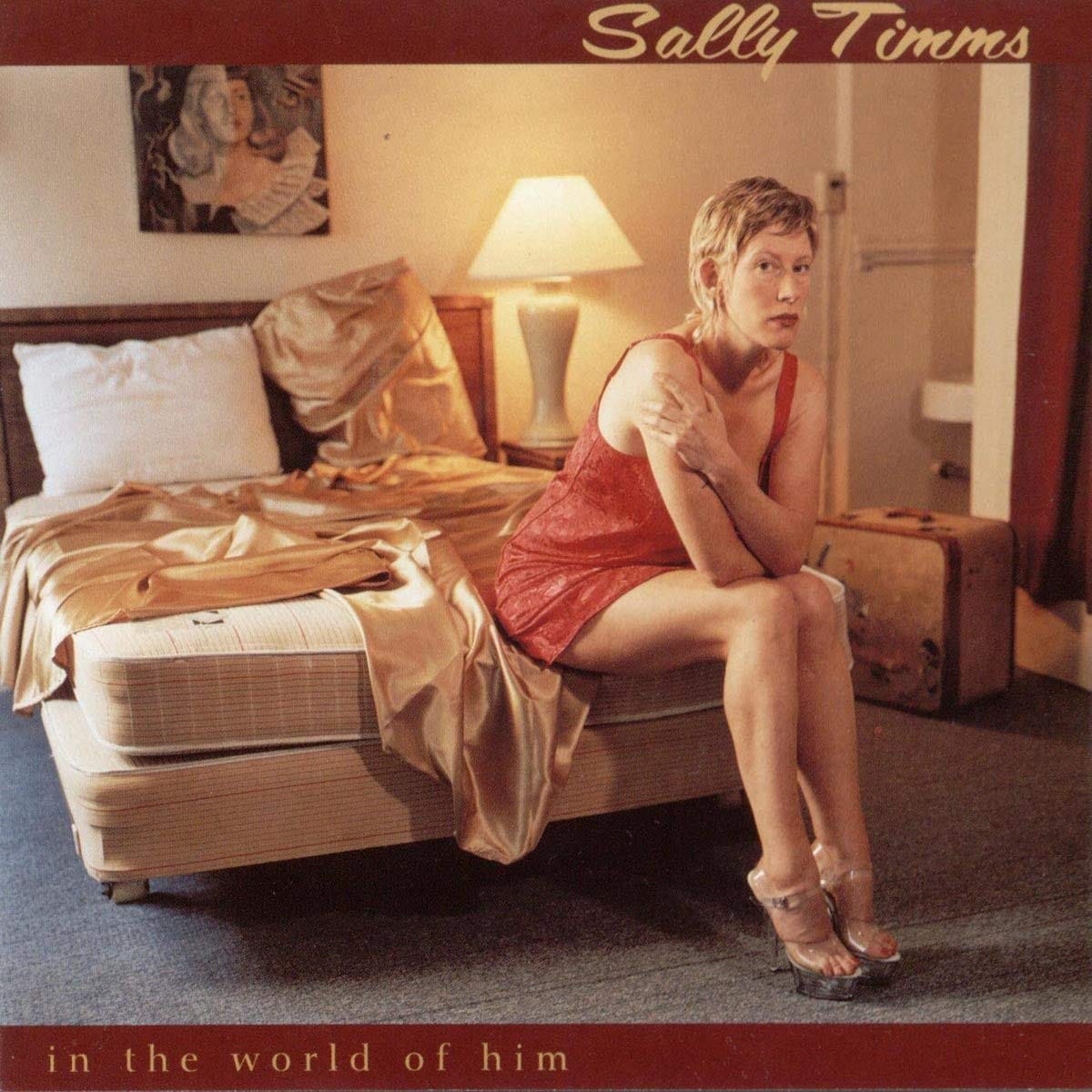
Sally Timms - In the World of Him (Touch & Go) As with the solo album a few years prior by Mark Eitzel (whose songwriting is represented here on “God’s Eternal Love”), this LP finds one of the underground’s great conveyors of complicated emotional pain playing (as it were) with new sounds. Here, Sally Timms, the longtime sweetheart of the Mekons rodeo, interprets nine short ballads of man/man-childhood; her crystalline tenor either resting over or cutting through soundscapes that range from skittering to minimally lush. Throughout, Timms manages to simultaneously convey empathy and some sad harshness. The latter being well earned by such a litany of men’s folly (though Timms has never been to war, she has been married to Fred Armisen), no matter the degree to which the songs are inhabited.
October
Q and Not U - Power (Dischord Records) If you look “heroic” up in the dictionary, you’ll see the word defined as “adopting the scratch attack of Nile Rodgers but keeping the snare drum tuned to ‘Soulside’.” Arguably the dance-punk album of the era which didn’t sound anything like anything else (you can argue against that supposition but you’ll be wrong).
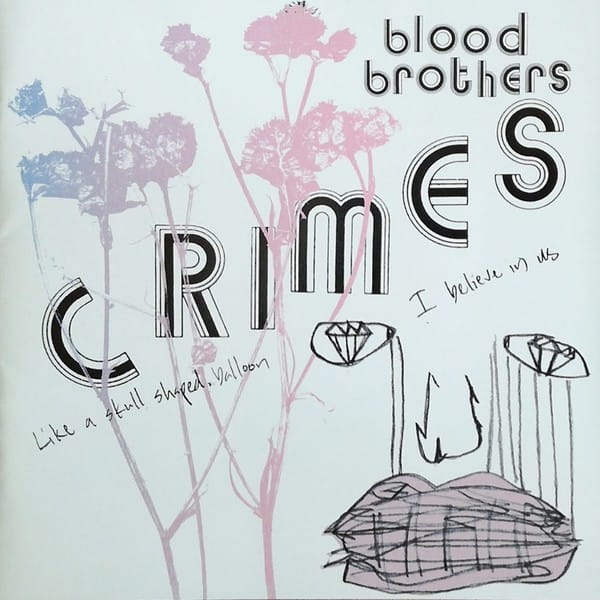
Blood Brothers - Crimes (V2 / Epitaph) When they spazzed, they were Converge for good kissers and the like; anyone in tight pants who was more freaked out by the Forever War than ex-wives. When they got the wurlitzer whirling, they weren’t anyone but their own bad selves. And, judging by the wreckage of boutique record labels left in their wake, that’s exactly who they were for as well.
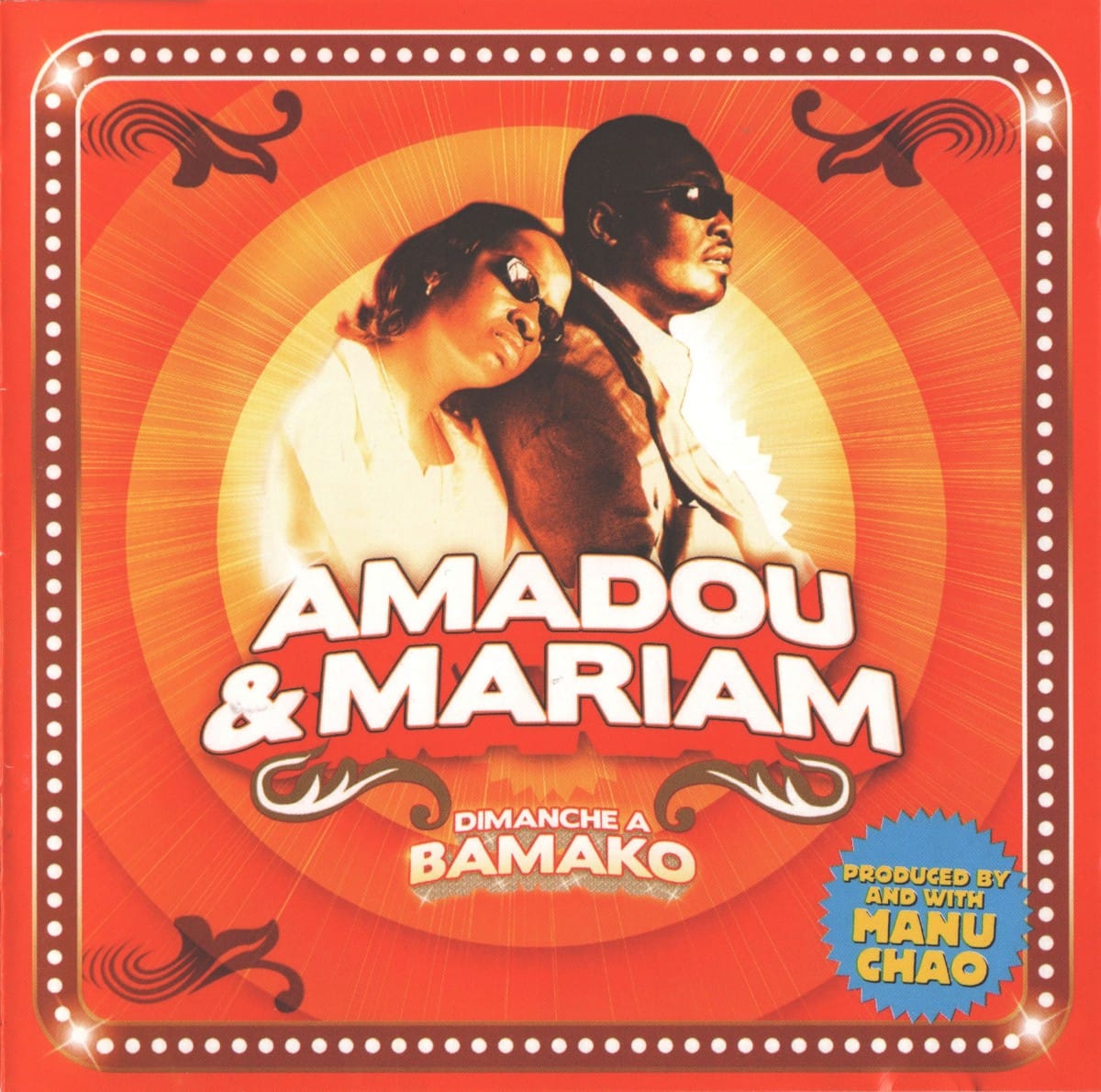
Amadou & Mariam - Dimanche a Bamako (Nonesuch) Fantastic as this album by the blind Malian superstars is, I’m going to gently dissent with my peers regarding one of its main components. I don’t hate Manu Chao’s production, but I don’t find it as charming as others do. Probably because its charm is somewhat relentless and I don’t like to be pushed around. There’s not a bad song on here, but it’s on the tracks written by Bagayoko alone where the album really kicks off. Dude understands that Chao’s old band, Mano Negra, was at its best on the driving “Mala Vida” and a tad less so when they threw in all the whimsical whistles. Don’t need to always life-aquatic everything, you know? Sometimes you can just let it rain.
Lost Sounds - s/t (In The Red) Bad sitcoms were still somehow made after The Simpsons. Like, people who watched seasons three-through-let’s-say-ten of the show just went ahead and continued devoting their finite time on Earth to making cynical drool. That's crazy. Anyway, despite Jay R. Word and Alicja Trout (along with Rich Crook and Patrick Jordan) plundering the Screamers/DEVO/Count Vertigo henhouse for anything worth keeping—somehow suffusing the shebang with dread and drama while managing to avoid both novelty and Reatard defaulting to Adverts melodies—the world is still currently lousy with acts who think making an egg-punk omelette is as easy as hey-ho-let's-go-ing over a miniKORG pre-set. If you didn't know better, you'd almost think that weirdo punk isn't as easy as some freak-scenesters make it look.
Death From Above 1979 - You’re a Woman, I’m a Machine (Last Gang Records) Lyrically and funk-illy, it’s Back In Black. Otherwise, sonically speaking, it’s godheadsilo covering Project Pat’s Murderers & Robbers (the latter of which I’d have happily included on this list if it wasn’t a comp of songs from the 20th Century) so, you know, what’s not to love?
November
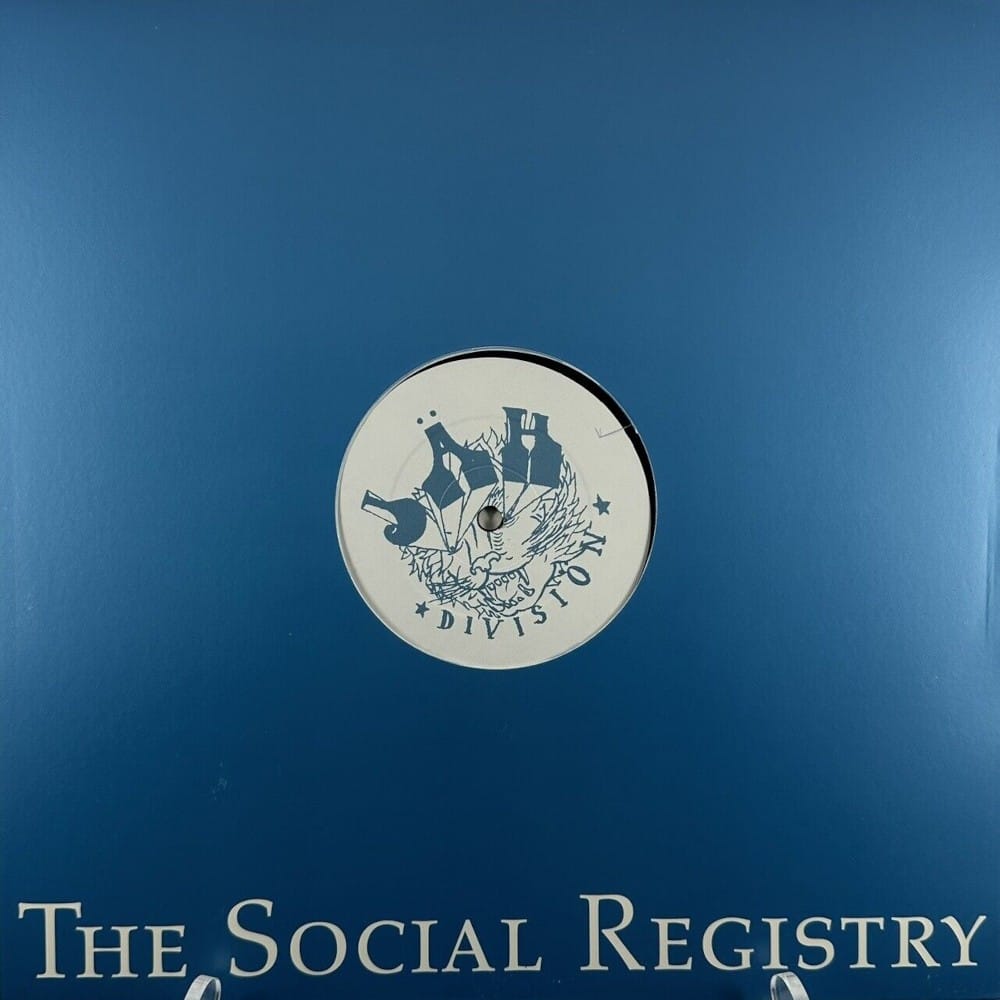
Jäh Division - Dub Will Tear Us Apart (The Social Registry / reissued in 2019 on Ernest Jenning Record Co.) The joke wasn’t funny the first time. (Because it’s not a joke.)
February
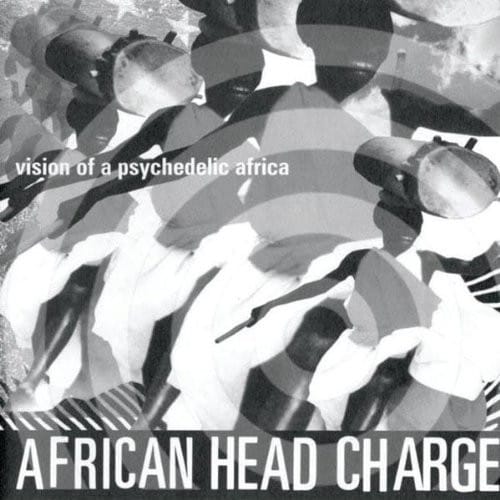
African Head Charge - Vision Of A Psychedelic Africa (On-U Sound) Bonjo Iyabinghi Noah and Adrian Sherwood had been space trucking for two decades already when they released this as truth-in-advertising-entitled CD in Japan (where they are big), so why not wait another half decade to release it elsewhere. These are not, you know, "time and space guys." They operate on other frequencies, and where they're "big in" is an expanding territory.
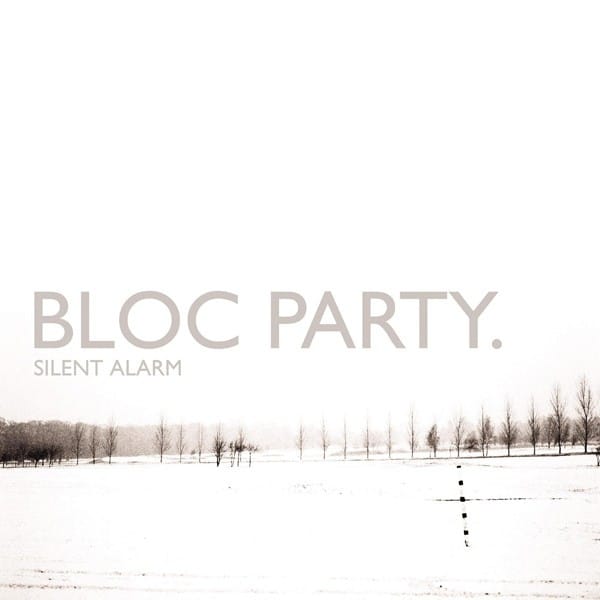
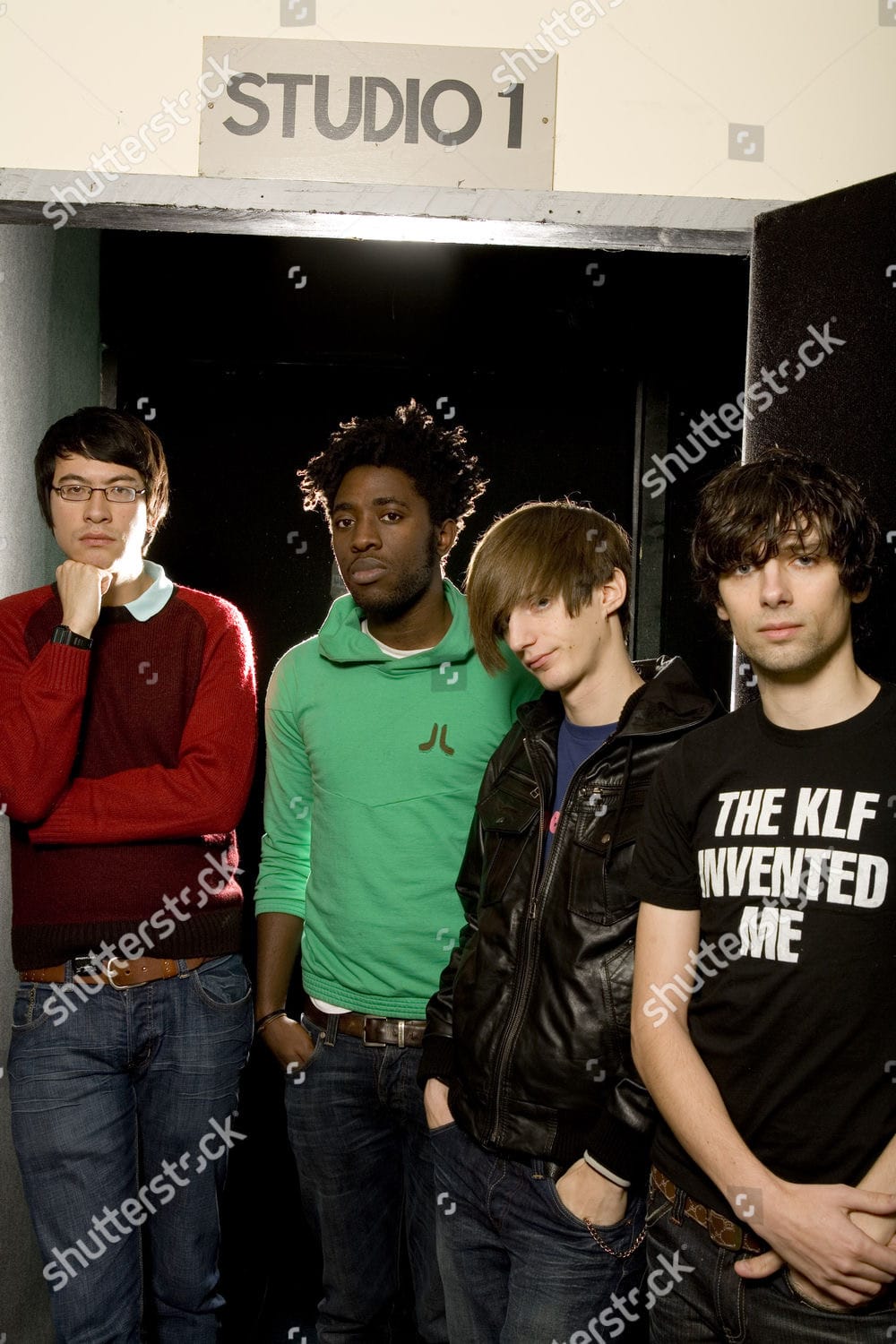
Bloc Party - Silent Alarm (V2 Records)
Actual footage of Matt Tong in the studio during recording of Silent Alarm:
March
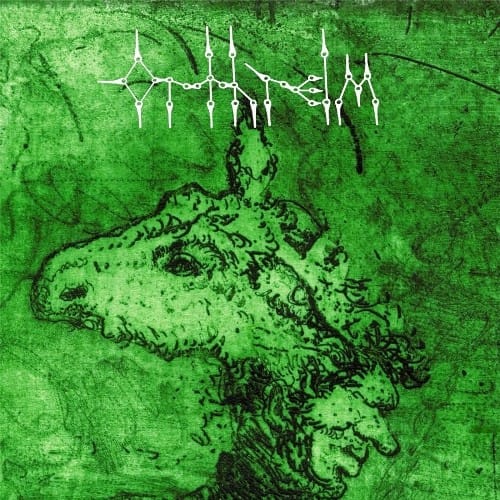
Orthrelm - Ov (Ipecac Recordings) Mick Barr and Josh Blair pay tribute to the American mining industry by performing a Waiting For Godot-esque musical about digging holes where they each play the parts of canary, drill bit, and light at the end of the tunnel. Probably would have gotten a Tony Award for “Most Transcendent High Notes” if The Emancipation of Mimi hadn’t come out a month later.
May
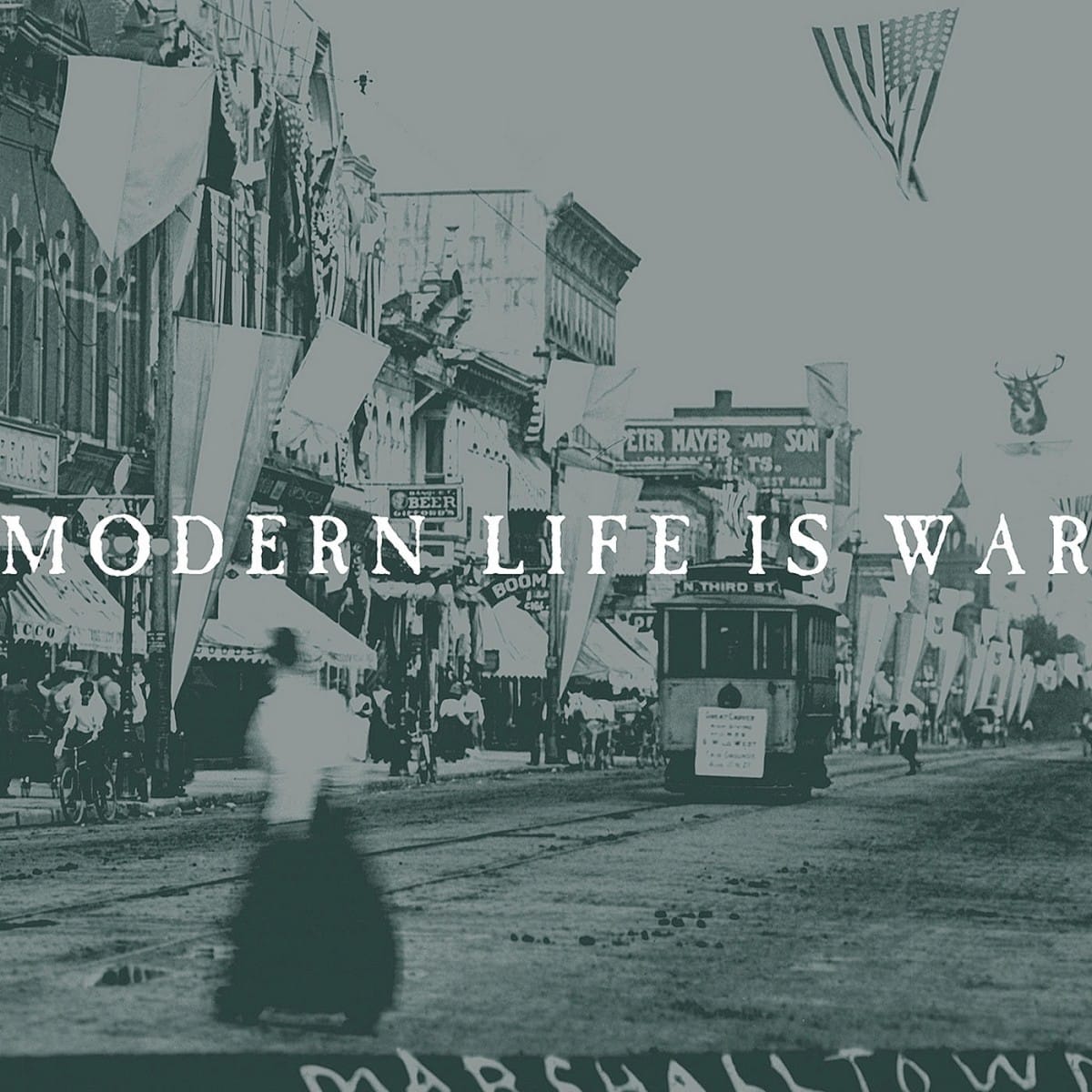
Modern Life Is War - Witness (Deathwish Inc.) The uptalking rust-voice of Marshalltown, Iowa, U.S.A., howling out in contempt, empathy, and just enough hope to put gas in the van, practically begging to save the soul of your stupid scene. Modern Life Is War plays two tempos; “Paranoid” and “Supernaught.” Except for on “D.E.A.D.R.A.M.O.N.E.S,” where they play as if they’re a hardcore band, rather than the siren-blaring ER ambulance we know they are.
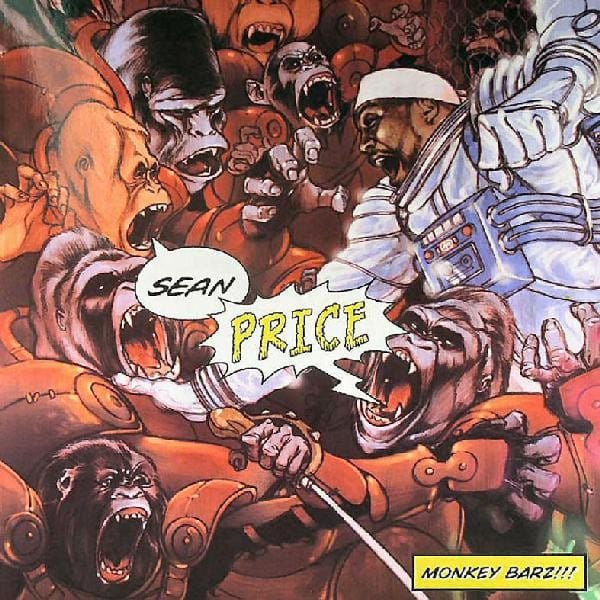
Sean Price - Monkey Barz (Duck Down) Wherein Sean P, “the brokest rapper you know,” compares himself to Jimi Hendrix, David Ruffin, Kurt Cobain, and Ike Turner. Like Juvenile, P erases the difference between something and nothing, and—just like poetry—he makes nothing happen.
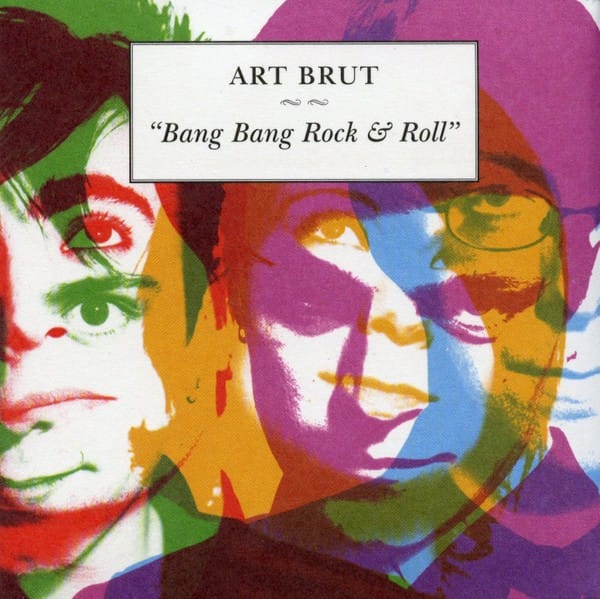
Art Brut - Bang Bang Rock & Roll (Fierce Panda) Utilitarianly inspiring. Twee as cinema verité, but still as exciting and sweet as a box of crackerjacks. Even as the line about forming a band so good that it solves the Israel/Palestine conflict hasn’t aged great, it casts the whole aspirational project into the dark-end of dashed dreams in a way that feels inevitable.
August
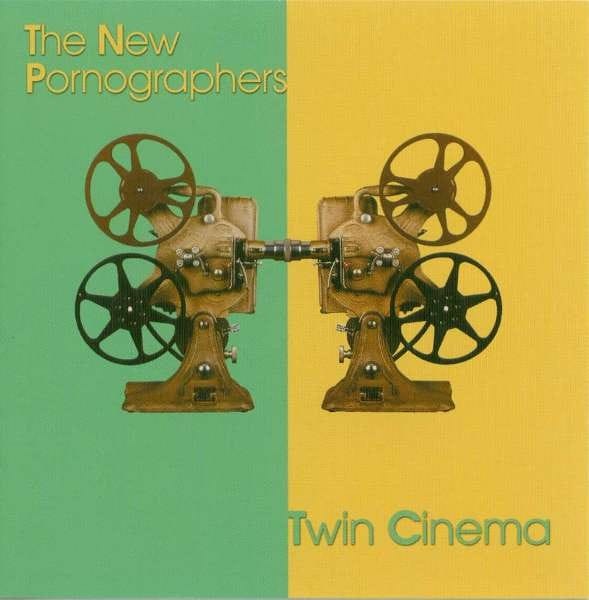
New Pornographers - Twin Cinema (Matador) I know that, because I love pop-punk soooooo much, I’m supposed to prefer the velocity growl of Mass Romantic or, because I love post-punk sooooooooo much, I’m supposed to prefer the ecstatics and bubble-agony of Electric Version. Or, because I generally hate power-pop, I’m supposed to not like the New Pornographers at all. But, you know what? I contain multitudes, and those multitudes hold a love for this Canadian group—one so chock full of pop rockin’ geniuses that it became a supergroup in reverse chronological order—and it's entire catalog which is as strong as my disinclination to listen to the Raspberries or Cookies n’ Cream or whomever. Also? As Martha Wainwright once famously said, "I have feelings too." Sometimes I want to feel gorgeous and sad. Sometimes I just want to feel like two chicks in a parking lot cracking wise about the price of fame. Sometimes I want to get shitfaced off two sips from a cup of human kindness. So sue me.
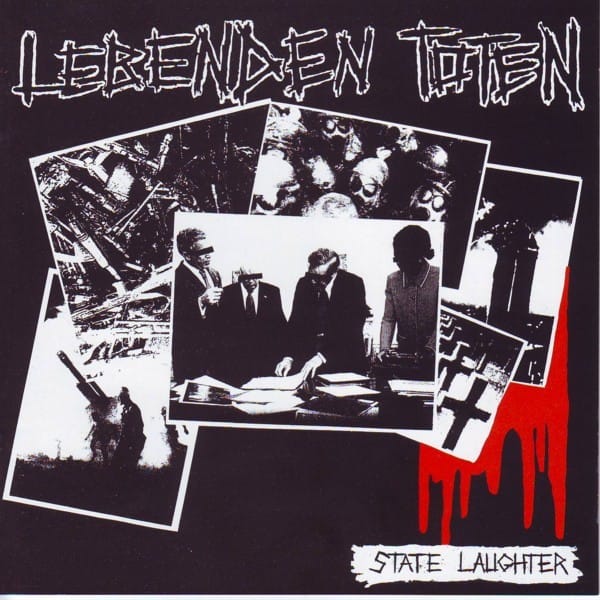
Lebenden Toten - State Laughter (Wicked Witch Records) The sound of mosquitos turning class traitors against their fellow blood suckers. I could list a bunch of Japanese band names in here for context, but why bother? This Portland d-beat/feedback unit makes the kind of noise-not-music which might feel exclusionary to some (it’s very alienating) but it’s actually a sonic space where all questions of poseurs/hipsters/industry plants/etc. are pureed into pure moot, because nobody on God’s green earth would fake liking this. Even I, who theoretically adore it, only listen when I want to wake up fast and insanely and/or I feel like my teeth need to be taught a lesson.
Also, as this is supposed to be an edifying experience, the Japanese bands you want to google are: Gai, Confuse, and The Swankys. If you need this hideous noise in English, check out Disorder or Chaos UK. If you almost like this album but wish it was at least accessible to qualify as “psychedelic” or “art,” the good people of Iron Lung put out a Lebenden Toten album in 2020 that has enough low end to at least make it seem like the mosquitos in question are wearing pants.
September
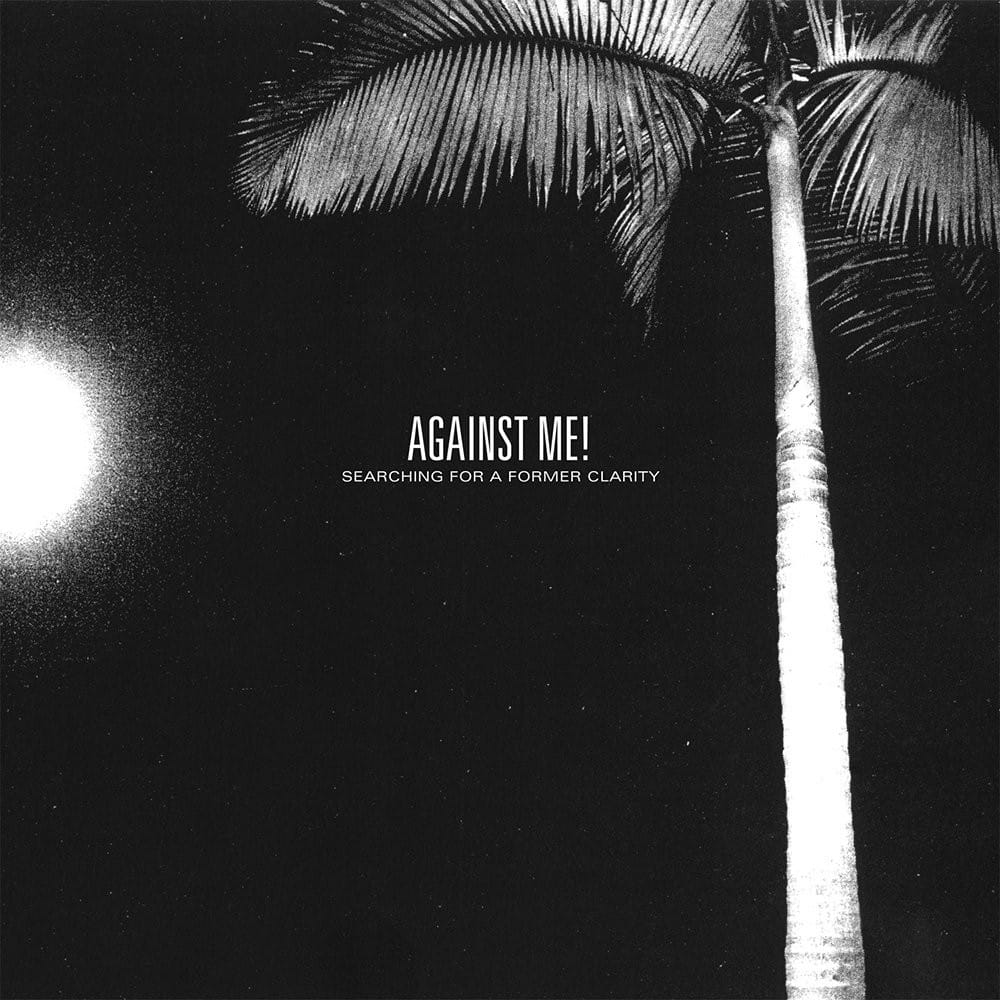
Against Me! - Searching For A Former Clarity (Fat Wreck Chords) Calling this album—the oogle-adjacent Florida gang’s third—the “best folk-punk album ever made” might be damning the thing with praise so faint as to be barely there at all. But, still, it’s true. Recorded by J. Robbins (from Jawbox) so every shake of the guitars shimmy, all the bass lines are fuzzy and warm as caterpillars, and all the vocals are ragged and enunciated with the conviction of a thousand hung-over Joe Strummers (or just a couple Blake Schwarzenbach, minus about 75% that dude’s solipsism), this is also probably the only folk punk album anyone needs. To be clear though: the diminished field of competition doesn't mean you don’t still need it.
Subsonics - Die Bobby Die (Slovenly Recordings) Most garage rockers—after gently placing their uniform accouterments; the denim, leather, and assorted Ratfinkian bangles of their trade, on the bedside table at night—are pretty clearly dorks. Not an insult. Most embrace the reality of their hobbyism and will happily still meet you down at the record swap. As a dork myself, I love the type and believe that a hard life allows for as much dressup as any of us can get away with. Plus, it’s fun to act real cool. Conceding that reality, there’s also something to be said for a band—say, for example, a long running Atlanta surf ‘n’ garage act, beloved by niche-ians all over the world—that, when, at the end of a hard night of rockin’, it strips bare from its black leather jacket and perrywinkles, there’s another black leather jacket underneath. And, further, when the Subsonics collectively wake up at noon on a weekday, the brand of toothpaste—with which Clay Reeds brushes his lacquered snaggleteeth, slashing the brush over his smile like a flicknife—has “Chesterfield Kings” emblazoned upon it.
I’m not saying that the members of the Subsonics don’t enjoy a nice record fair as well, I’m just saying that, for some sunglasses-at-nightflies, it’s cats and kittens all the way down. And that when Buffi Aguero goes to the freezer to get her first gin* martini of the afternoon, her refrigerator is a Zippo.
*less we lazily conflate coolness with chemical dependency; if Ms. Aguero doesn’t drink, for whatever reason, please switch out “gin martini” with the equally suave “Good Humor Strawberry Shortcake Bar.”
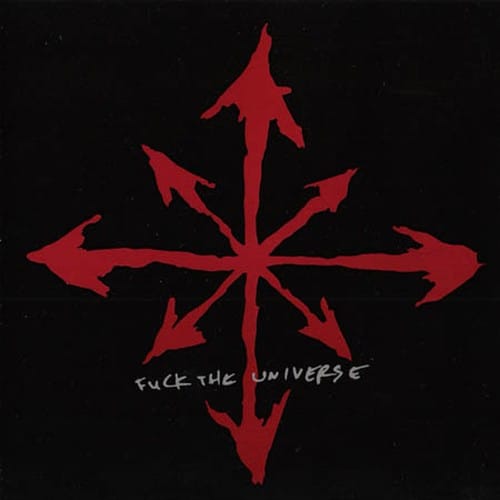
Craft - Fuck the Universe (Carnal Records) While making this list, I consulted with the drummer Dave Witte. Witte’s bandmates in Municipal Waste were encouraging if not entirely helpful (with all due respect to Philip “Land Phil” Hall’s good faith suggestion, Anal Cunt’s Picnic of Love was released in 1998). But the drummer himself–having a career which has touched on multiple extreme music genres of the 21st Century—more than got the job done. Whether giving insight into how death metal influenced ‘90s hardcore via the HM-2 pedal, or just helping me to navigate between good and bad grindcore (without him, I wouldn’t know the difference), Witte’s has been invaluable. Knowing how much I love Watain and that I don’t love the more self-consciously “black ‘n’ roll” acts, he suggested this blackened Swedish ball of hobgoblin-icised ill-will. And I’m so glad he did. I’m a firm believer that, while hooded rituals and candlewax are great, a black metal band should still err on the side of sounding like a band that plays heavy metal. Otherwise, I’d just as soon c u next Sunday. Craft clearly feels the same. I’m assuming the album’s title is intended as hateful rather than horny but, with all the riff-spillage bangers about Queen Reapers and being thorns in a whole planet’s side, who knows? Honestly works either way.
November
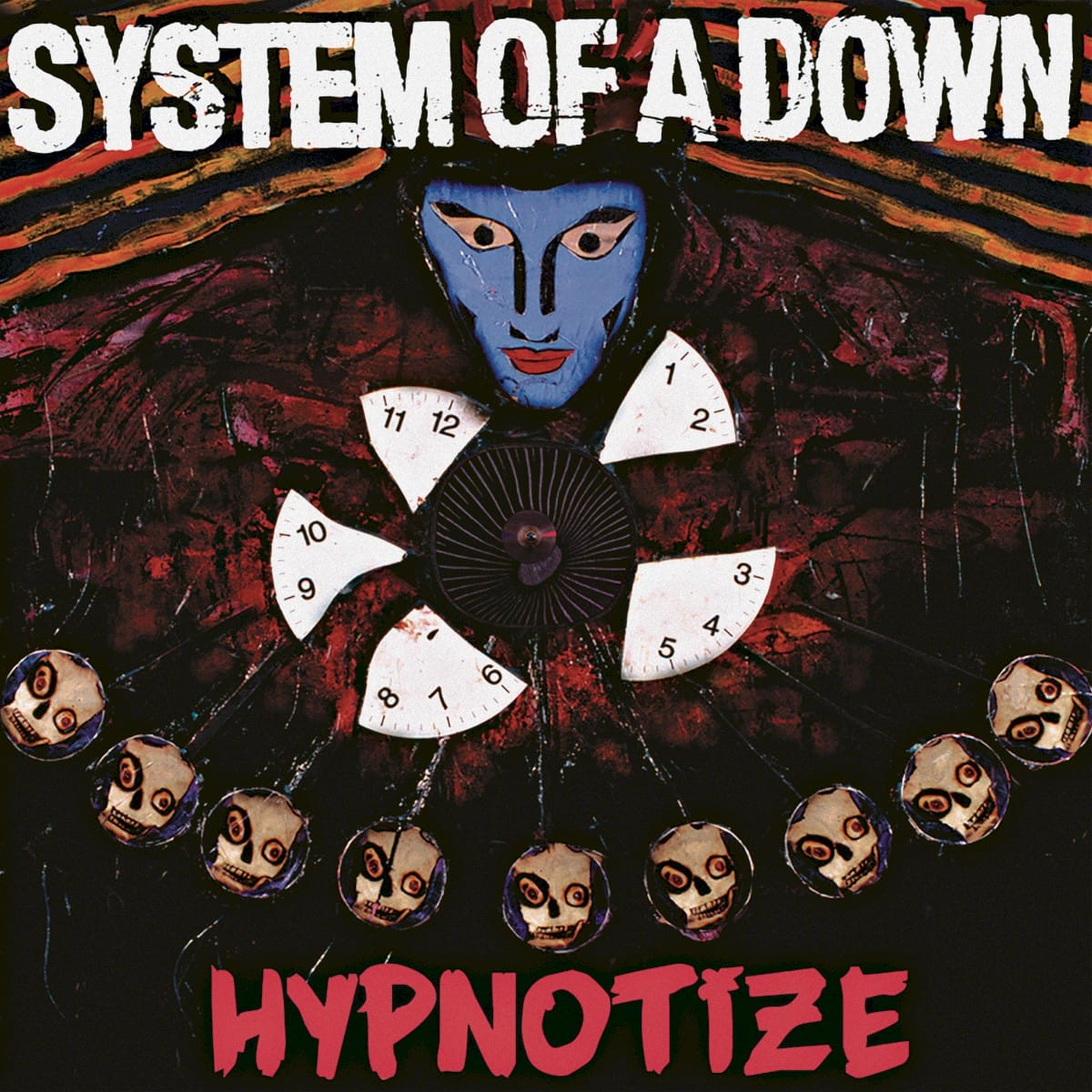
System Of A Down - Hypnotize (American / Columbia) At Marz Bar, there was a regular, named Jesus, who became a pretty good friend for a few years. He had a number of “cousins” who also became regulars, one of whom worked a sideline out of a Mr. Softee truck. That cousin brought me a Mr. Softee staff shirt. Jesus himself once got me a gig deejaying a midnight Harry Potter book release at a bookstore. I dressed as Harry Potter and spun “Release the Bats” while little kids ran around, dodging the spilled drinks of the extremely high-on-cocaine adults. It was, in retrospect and at the time, weird. Also, Jesus made me CDRs of all the System Of A Down albums. Despite my friend’s name, none of the above is a metaphor, at least not in any way I could explain.
Next installation, 2006-2010, in one week.
Thanks for reading. Please subscribe and share. Subscribe to CREEM as well. Feel free to tip if you like!